HMI Infrastructure combines engineering expertise with the manufacturing of specialized chemical grouts, equipment, and custom solutions for engineers, public agencies, infrastructure contractors, industrial owners, and asset managers.
Our approach focuses on evaluating the soil-structure interaction of existing and proposed infrastructure elements to assess system stability before, during, and after construction. A critical part of this process is investigating and diagnosing existing in-situ conditions to identify underlying issues and determine the appropriate approach for final design and implementation.
HMI Infrastructure partners with you to understand the root cause of the problem and develop comprehensive, engineered solutions that address the underlying conditions rather than simply treating the symptoms.
Chemistry for Material Systems
Evaluate and develop specialized polymers and material systems around the receiving conditions, installation requirements, and performance objectives of the infrastructure asset.
Define the mechanism, constraints, service requirements, and intended performance before selecting an intervention. Use project evaluation, engineering analysis, and modeling where appropriate to develop the treatment approach.
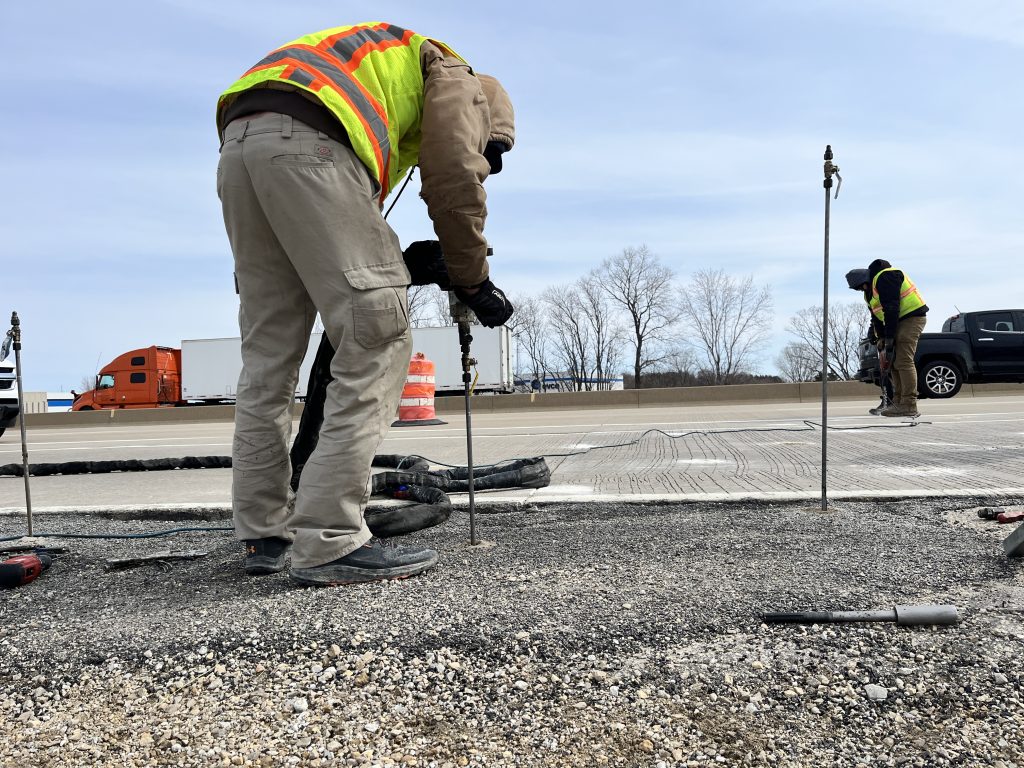
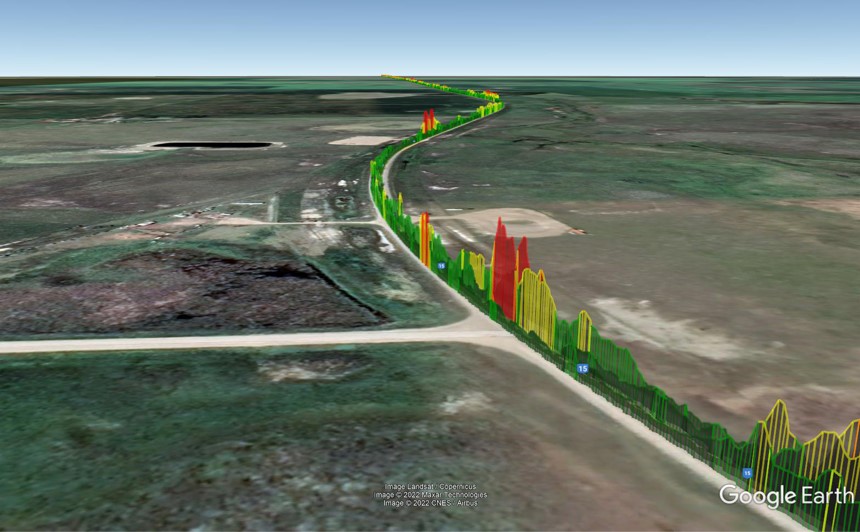
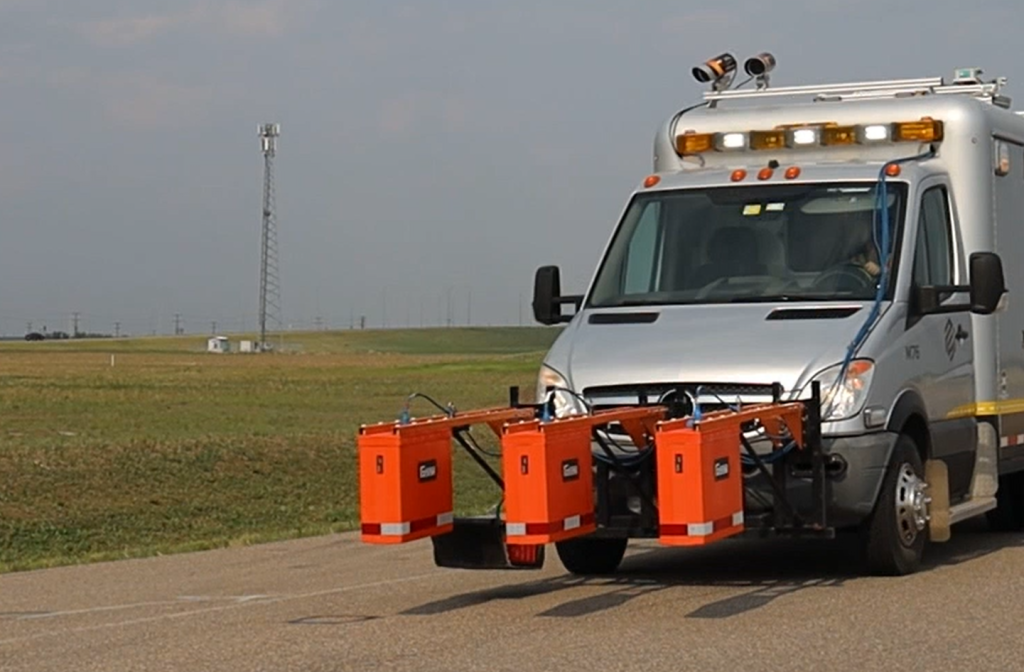
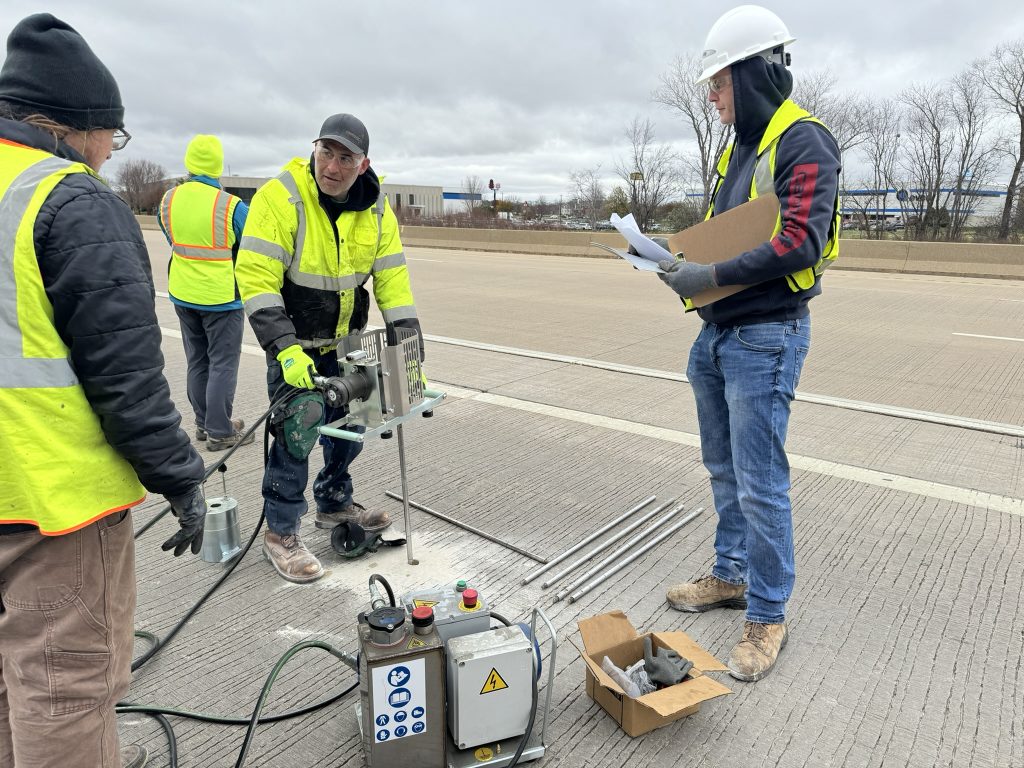
Test field conditions via LiDAR, GRP, FWD, DCP and more to understand the problem at the scientific root and verify the solution after chemical grouting remediation work is performed.
HMI Infrastructure is built for infrastructure assets where engineering, material behavior, subsurface conditions, testing, and field execution need to work together. The technical approach remains consistent while the loading, access, service conditions, materials, and acceptance requirements change by asset type.
Transportation Infrastructure
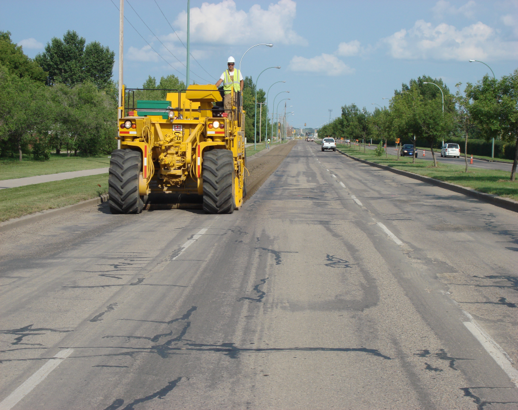
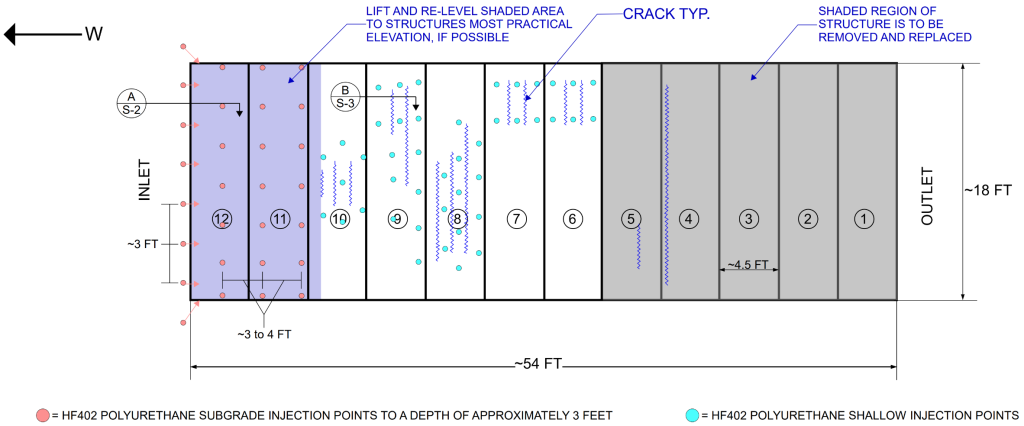
Roadways, bridge approaches, structural pavements, pavement shoulders, rail, paths, and related transportation assets where settlement, support loss, voids, drainage, and repeated loading influence performance.
Municipal & Utility Infrastructure
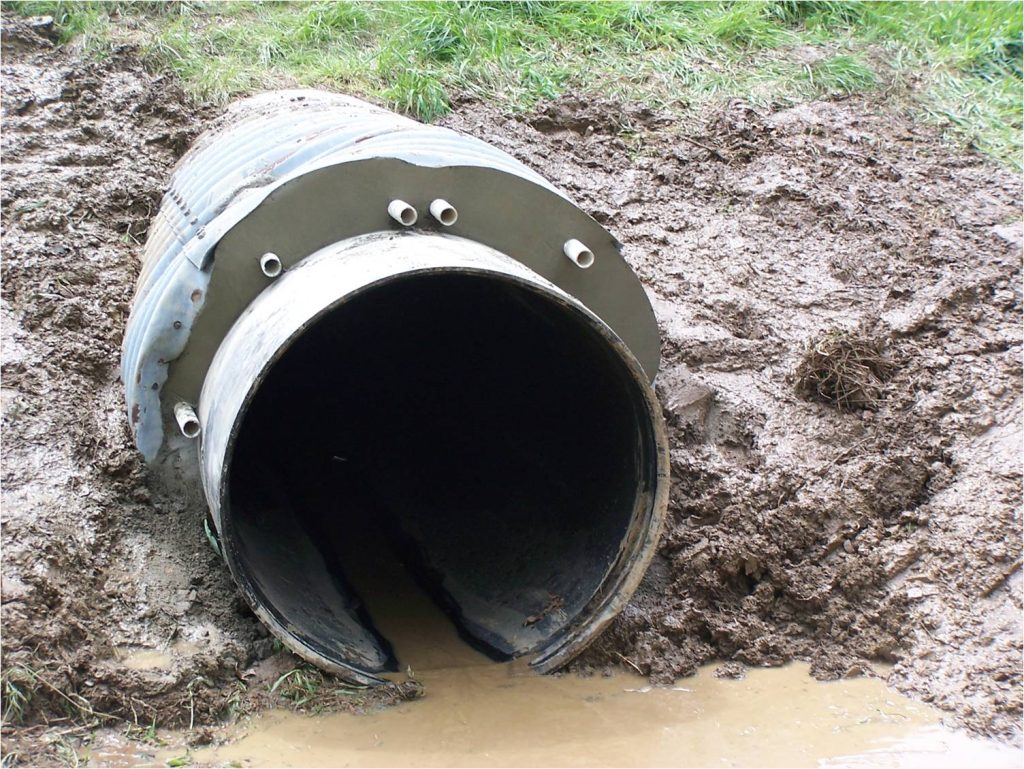
Public works assets, utilities, culverts, pipes, drainage systems, and other municipal infrastructure where access, service continuity, subsurface conditions, and constructability shape the solution.
Commercial & Industrial Infrastructure
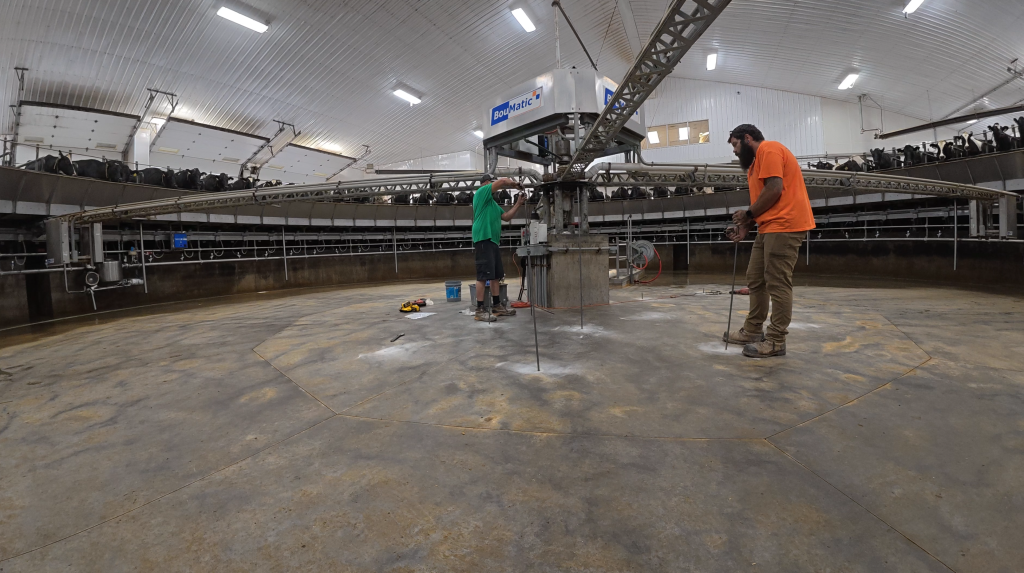
Industrial slabs and pavements, warehouses, facilities, and other heavy-duty concrete assets where support conditions, downtime, loading, and long-term performance matter.
Specialized Applications
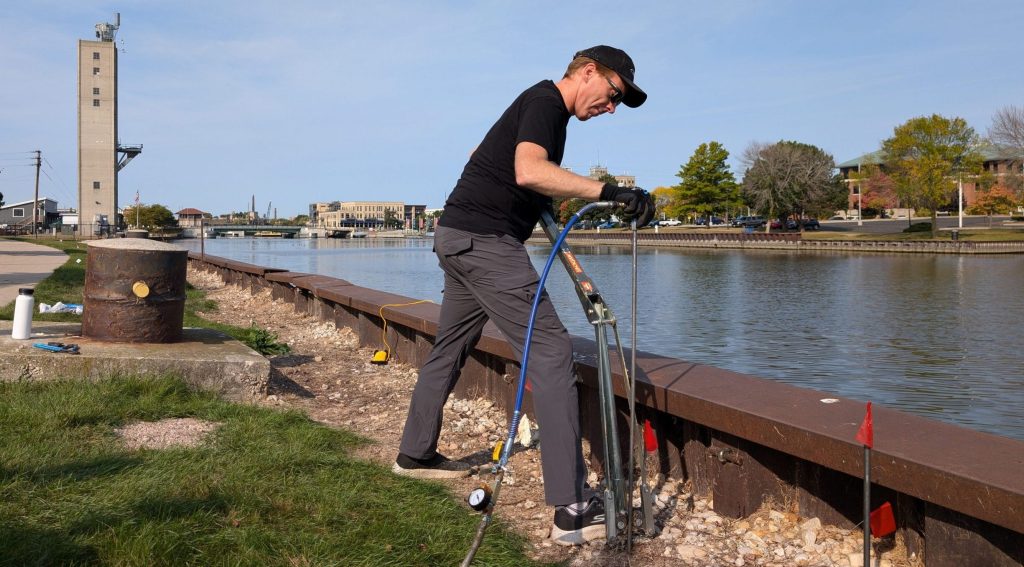
Slopes, embankments, waterways, seawalls, bulk-fill areas, and erosion or washout conditions where soils, water, support, and structural performance interact.
Advanced Engineering
Frame the problem in terms of the asset’s mechanical response and the required service condition. Project evaluation should connect loading, soil support, material behavior and the proposed construction sequence. Coordinate the treatment concept with the owner’s standards and the responsible design professionals.
Project Planning for Chemical Grouting
Field Test Interpretation
Chemical Grouts for Material Systems
As a manufacturer, we develop chemical grout systems with tailored reaction characteristics, mechanical properties, and long-term performance. Our grouts are formulated and engineered to address specific soil conditions, application requirements, and performance objectives.
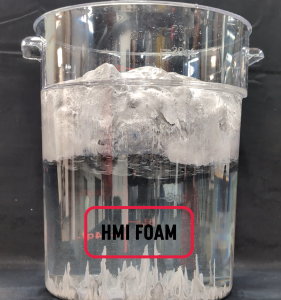
Foams Designed for Challenging Environments
Custom Polyurethanes To Meet Design Criteria
Mechanistic Materials Characterization & 3D Design
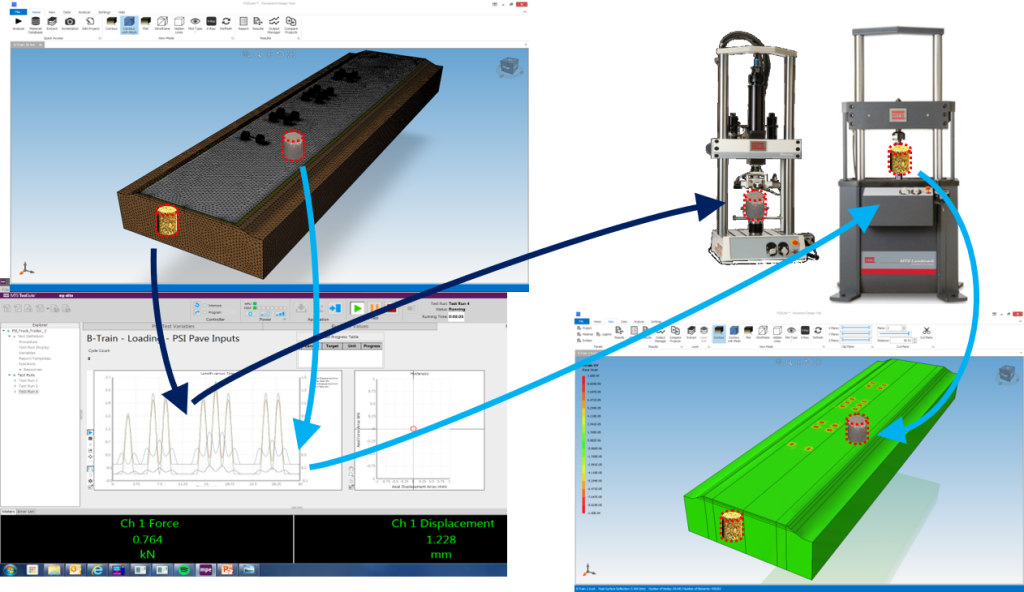
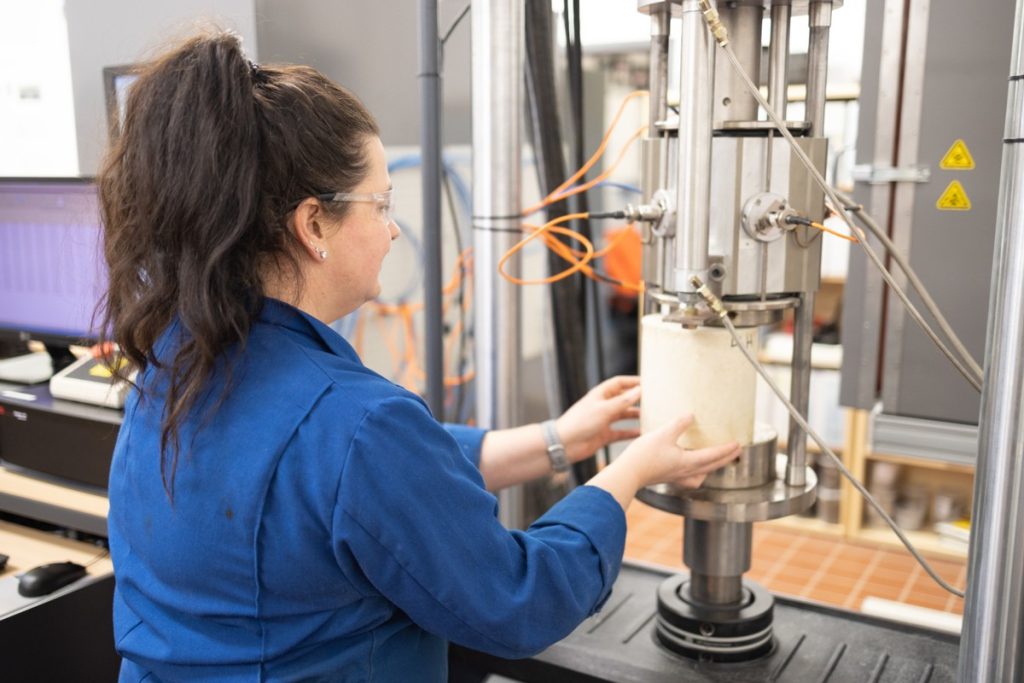
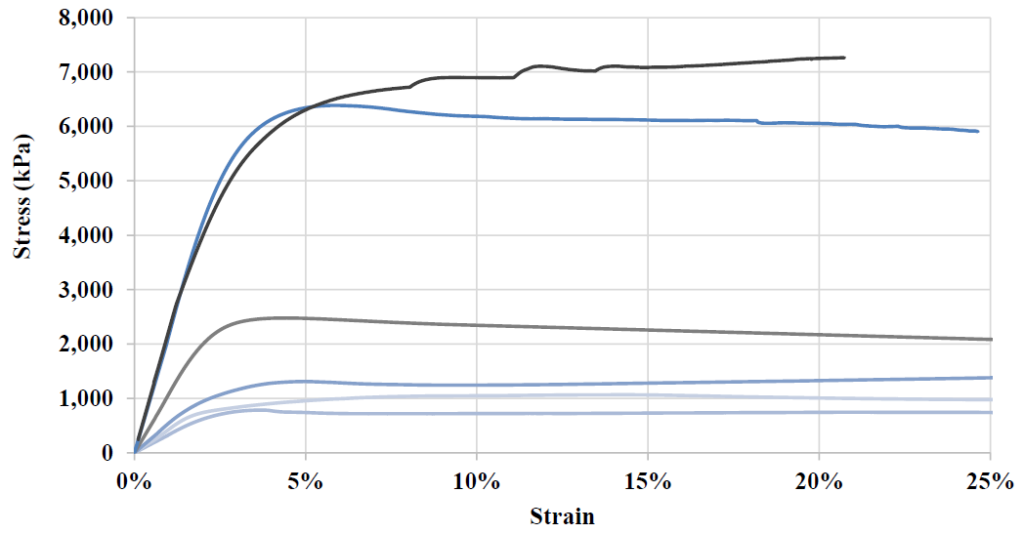
Infrastructure performance depends on how materials behave together as a system—not simply on a single strength or density value. Mechanistic laboratory testing characterizes material response under controlled conditions to better understand stiffness, deformation, load response and other performance-related behavior.
These measured properties can inform 3D numerical modeling used to evaluate how pavement, soils, support layers and treatment systems interact under project-specific conditions. Connecting material characterization with modeling helps compare alternatives, refine treatment approaches and support engineering decisions around the performance required from the complete system.
3D System Modeling
Dynamic and Static Testing
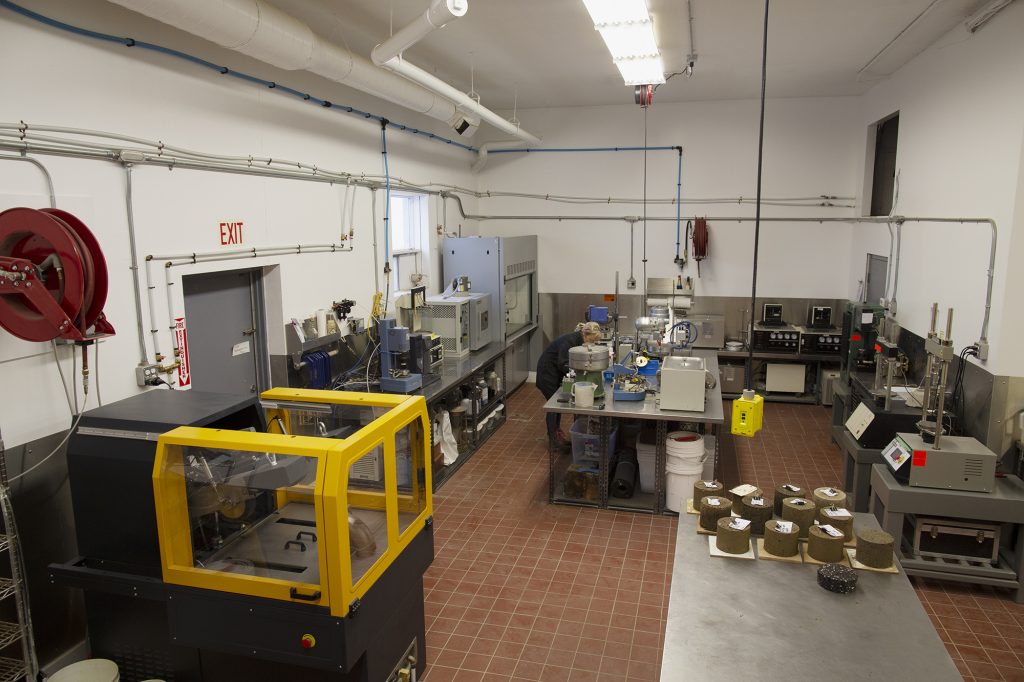
Comprehensive Mechanistic Lab
Field Evaluation
Field evaluation establishes what is happening in the existing asset and subsurface system before a treatment approach is selected. Depending on the project, evaluation may consider surface condition, structural response, support conditions, subsurface materials and other factors influencing performance.
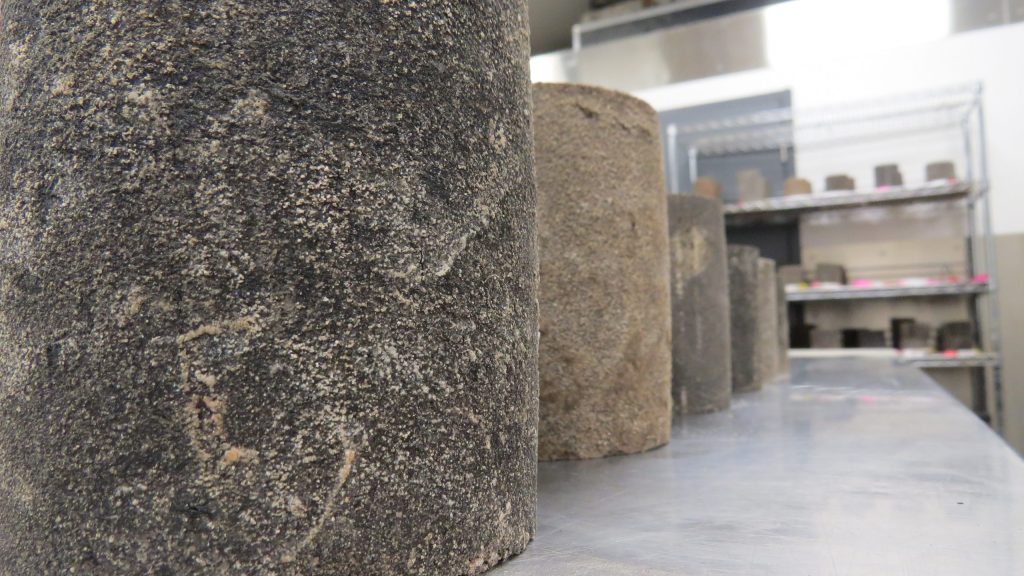
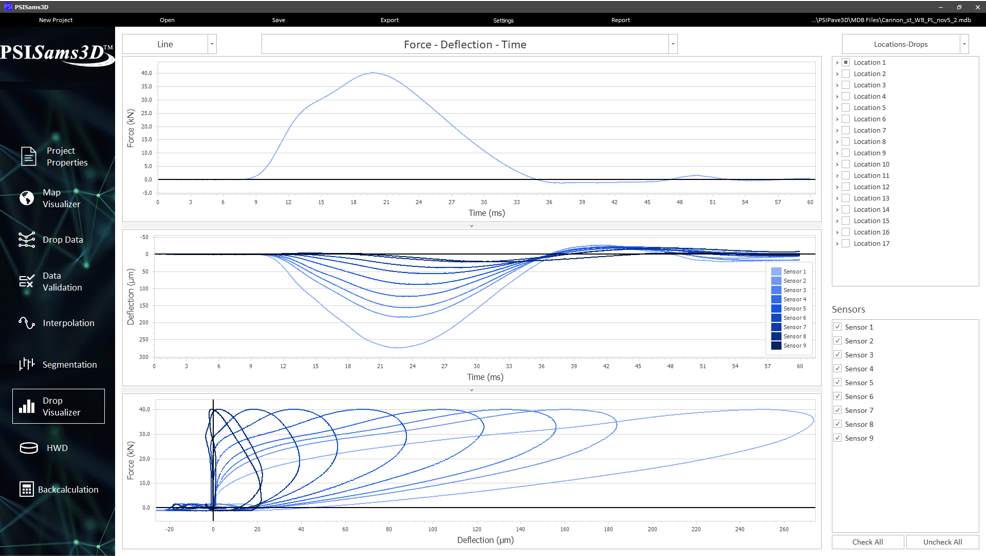
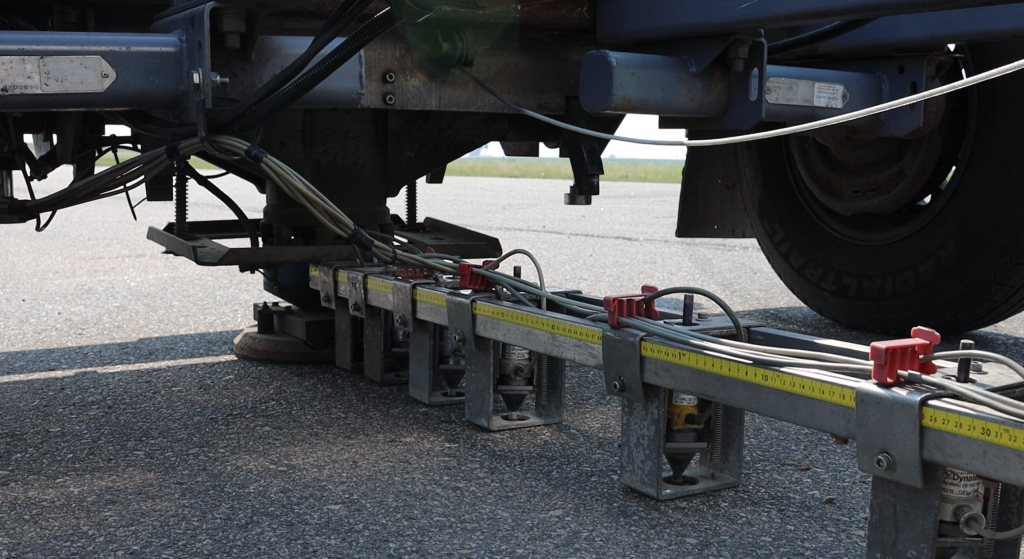
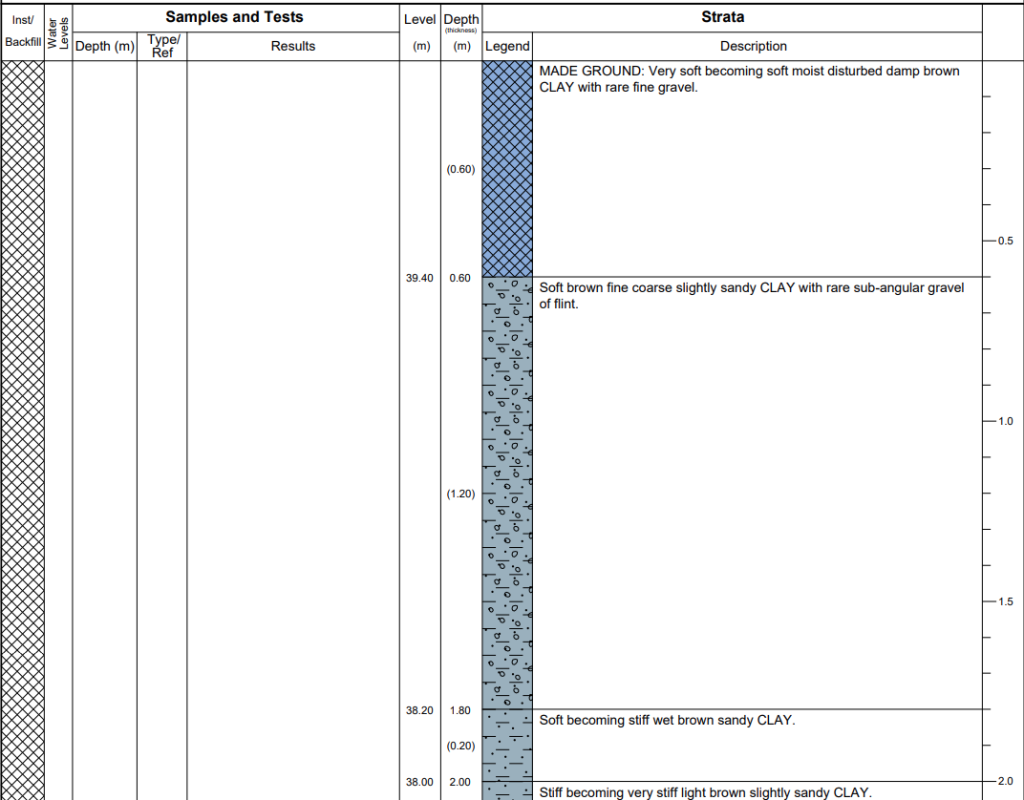
Technologies such as LiDAR, Falling Weight Deflectometer testing, Dynamic Cone Penetrometer testing and borehole/core evaluation provide different forms of site-specific data. Used together with engineering analysis and project history, this data helps define the condition being addressed, identify areas requiring further investigation and establish a baseline for treatment planning and performance evaluation.
Laser Imaging, Detection and Ranging (LiDAR)
Falling Weight Deflectometer (FWD)
Dynamic Cone Penetrometer (DCP)
Borehole/Core Evaluation
Specialized Equipment
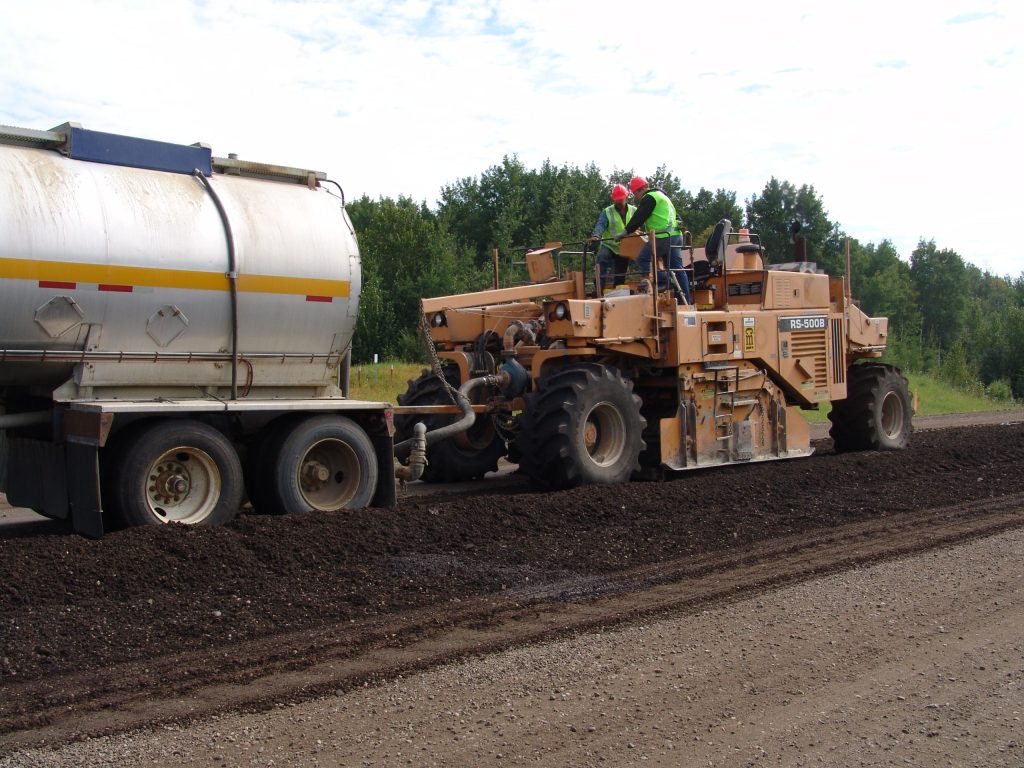
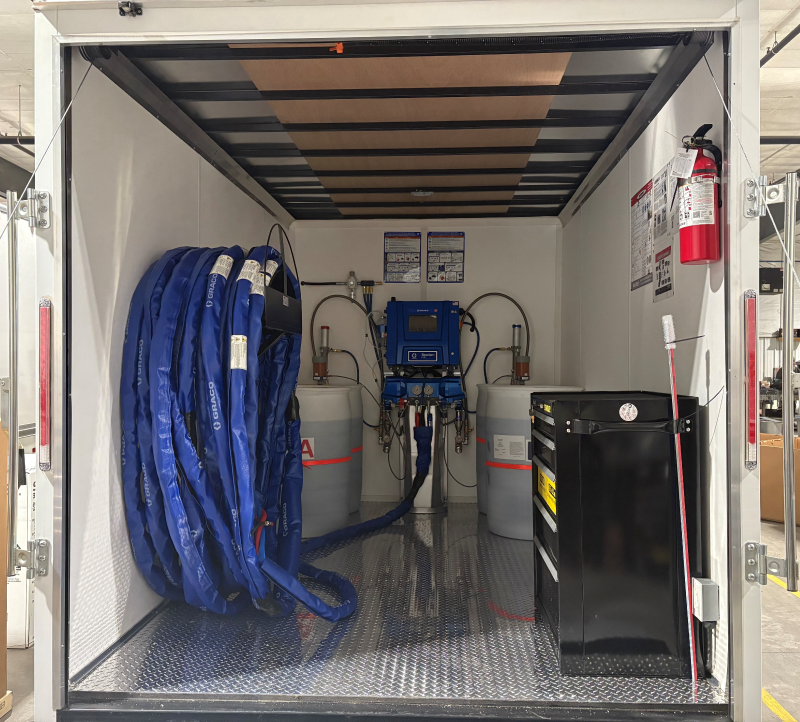
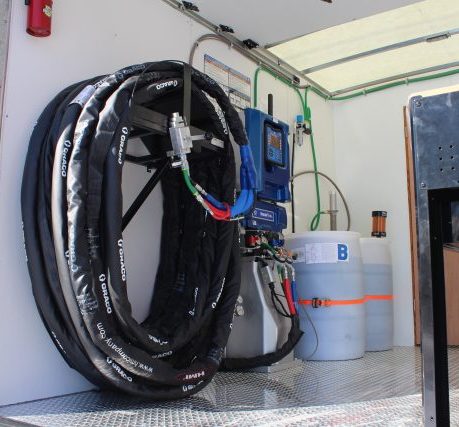
Infrastructure projects often require more than selecting the right material. Application methods and equipment must account for site access, treatment depth, placement control, project timelines, and performance requirements. HMI Infrastructure combines engineering expertise with the ability to develop and manufacture specialized chemical grouts and purpose-built application equipment, providing project-specific solutions backed by technical expertise and field support.
Custom Polyurethane Installation Equipment
Custom Accessories
Contact HMI to Discuss your unique infrastructure challenge