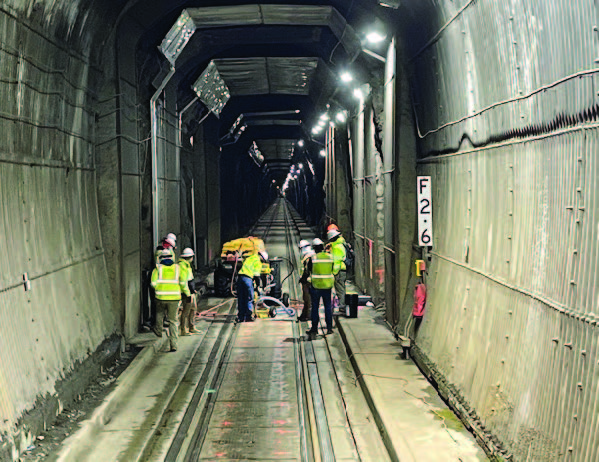
POLYURETHANE CONCRETE LIFTING HAS EVOLVED TO BE THE “GO TO” FOR COMMERCIAL AND GOVERMENTAL PROJECTS – HERE IS WHY!
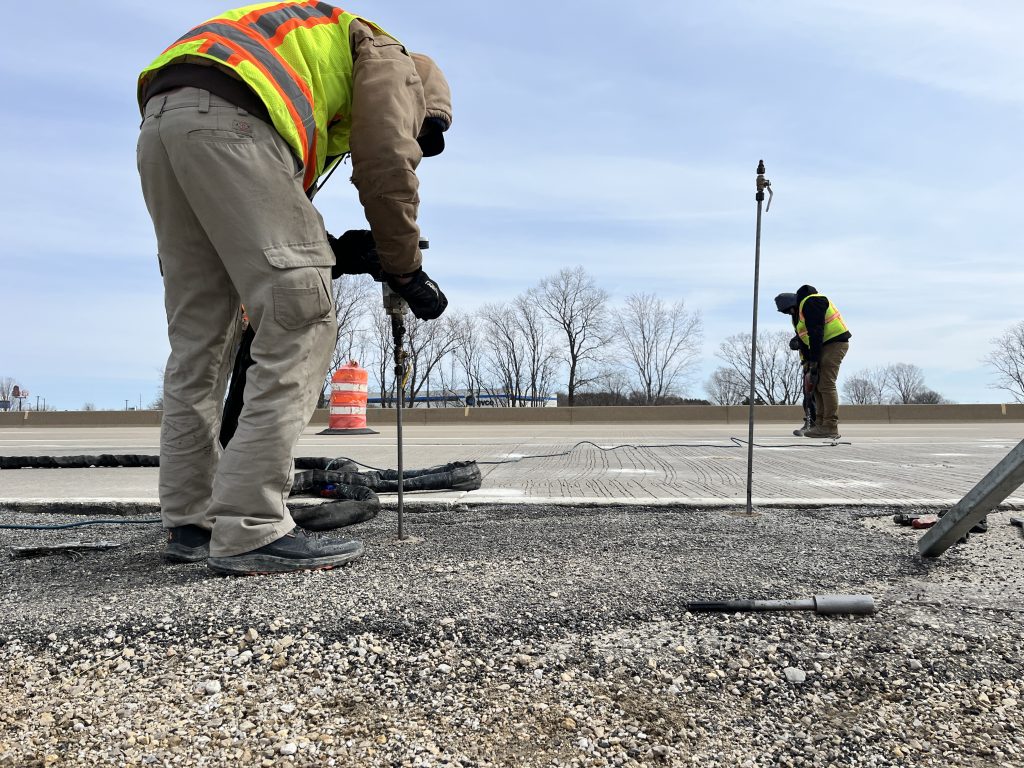
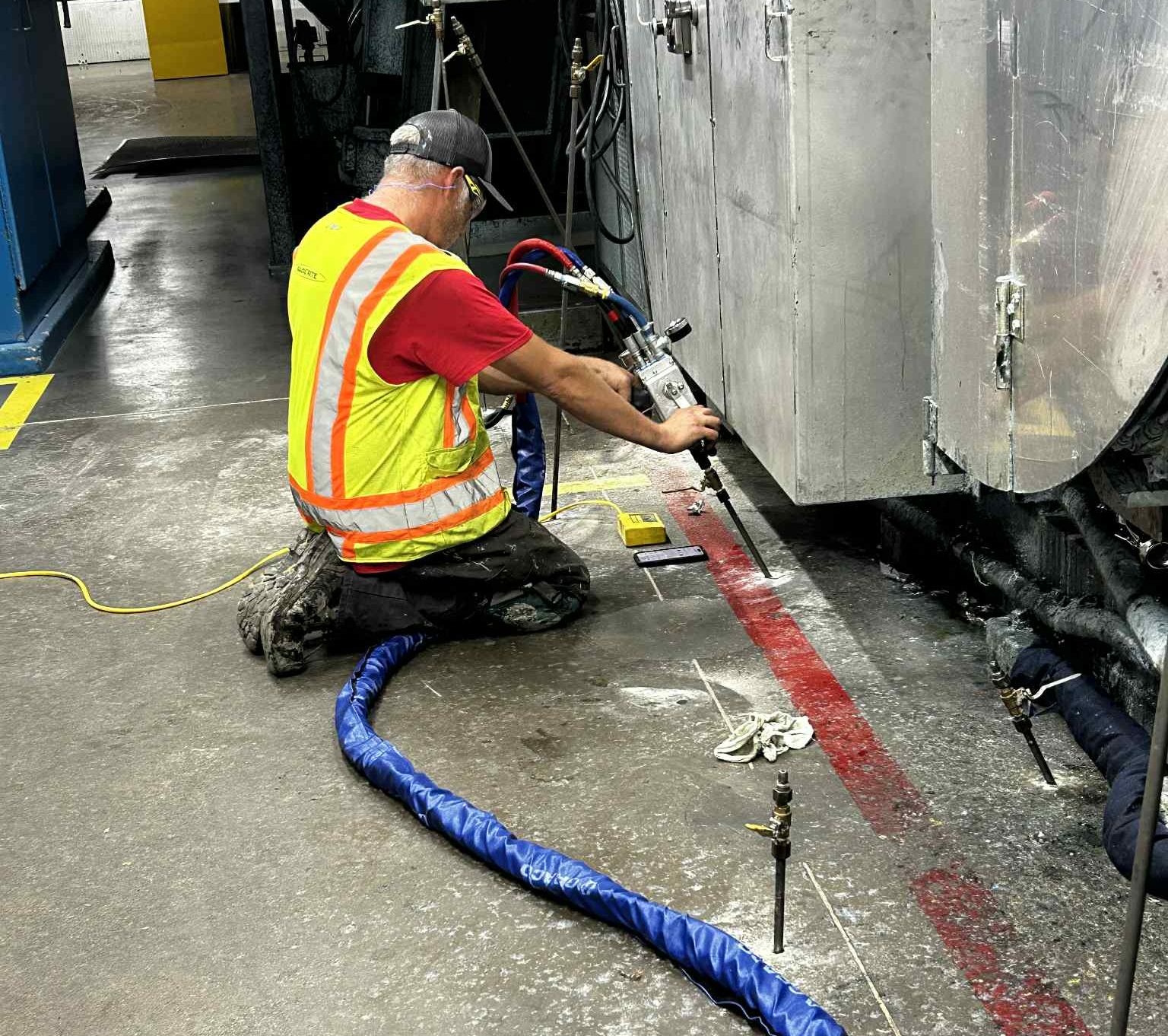
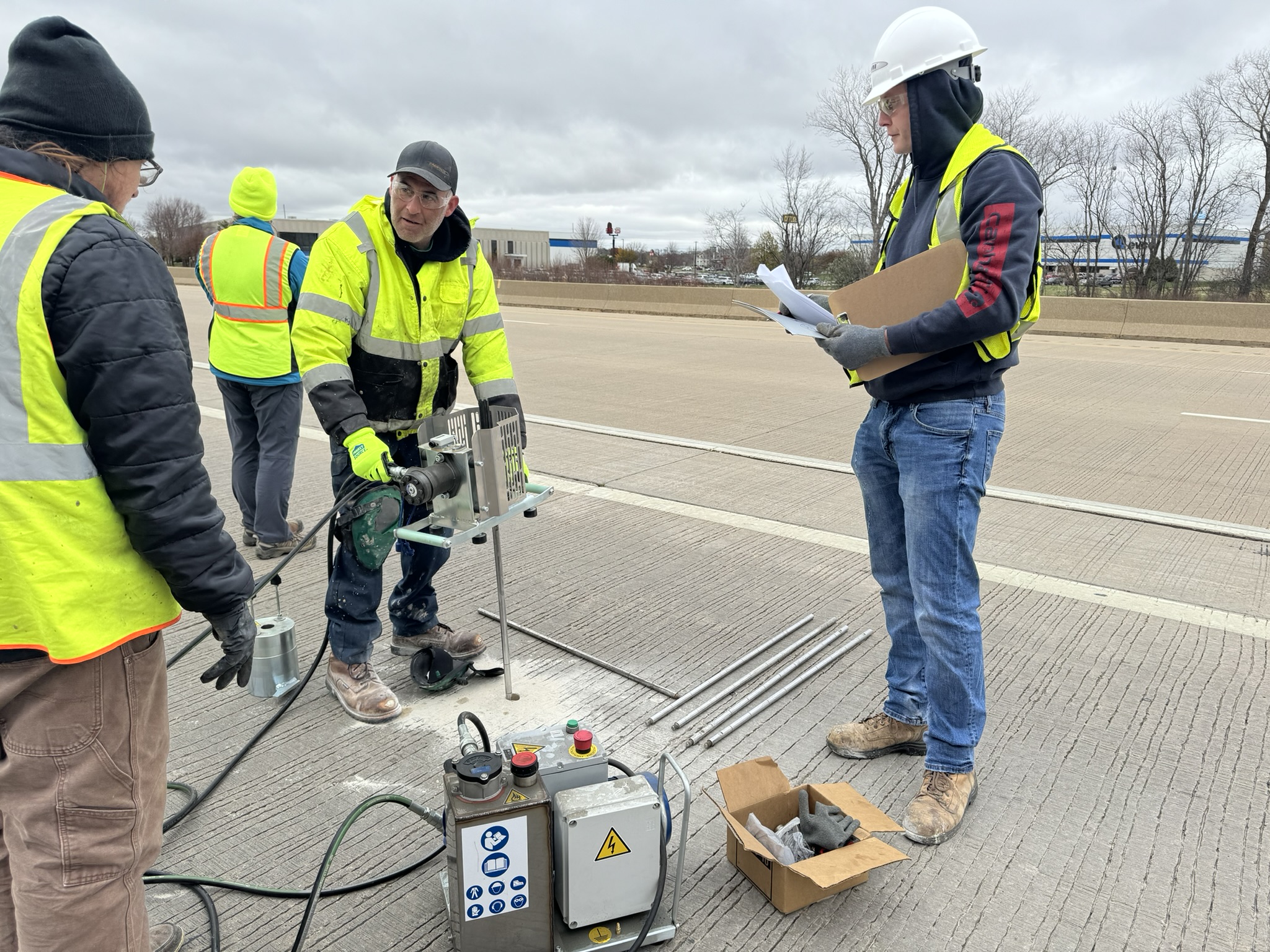
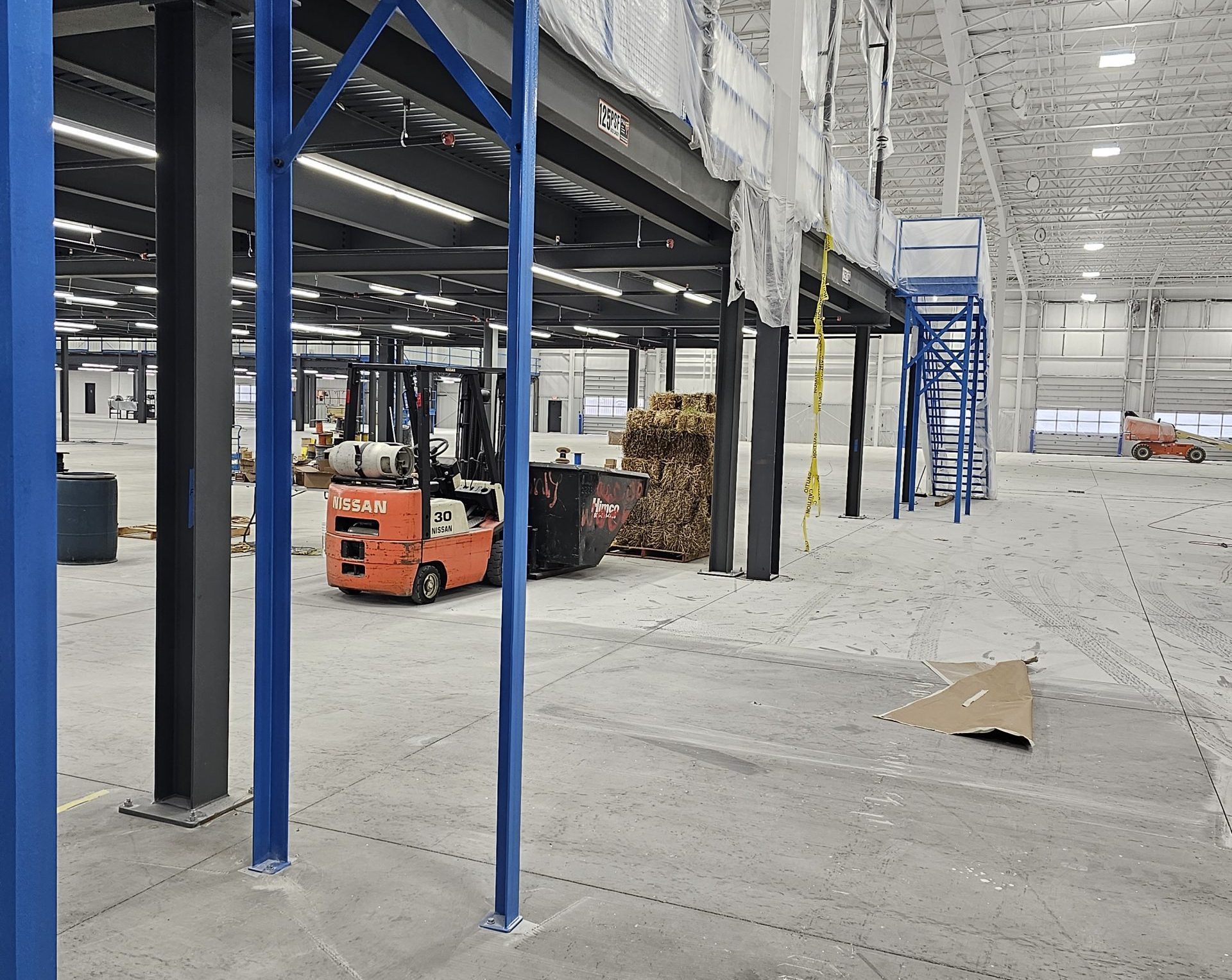
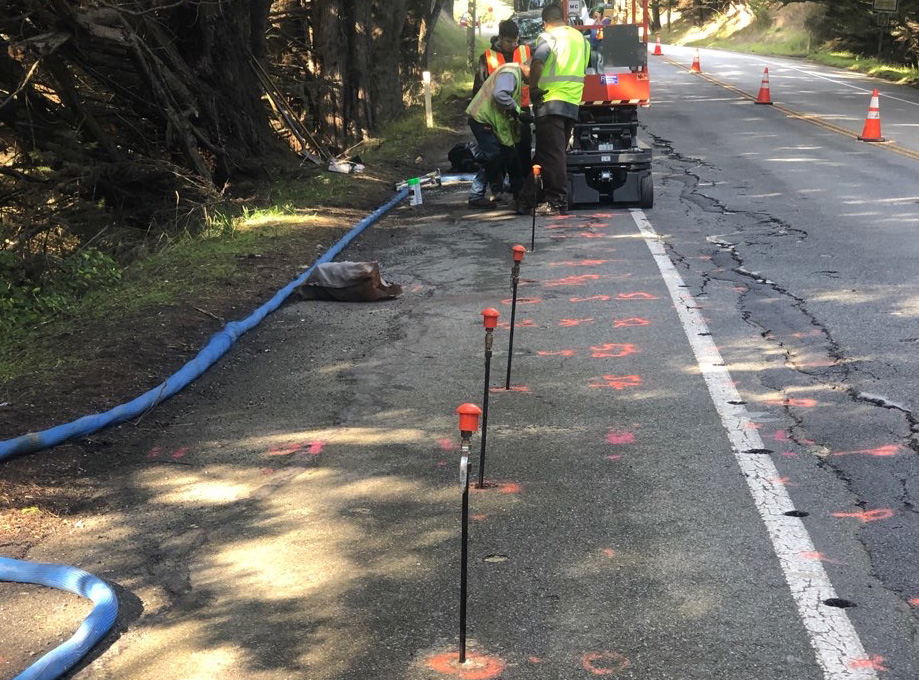
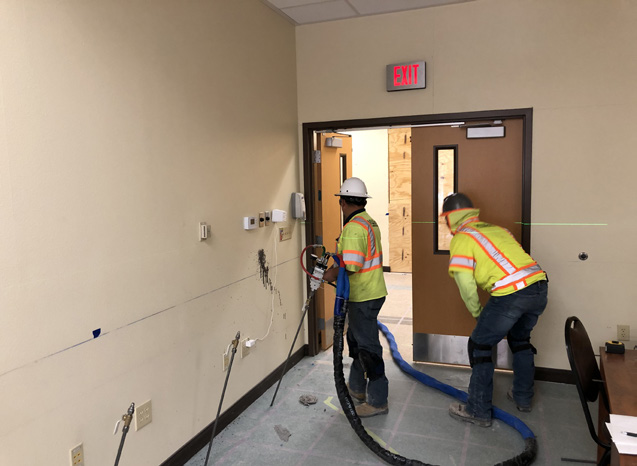
Polyurethane concrete lifting (also known as polyurethane foam injection, polyjacking, or foam jacking) is the process of injecting expanding high-density polyurethane foam beneath sunken or settled concrete slabs. The foam fills voids, compacts surrounding soil, and lifts the concrete back to level with precision. This technique has become particularly popular for commercial (e.g., warehouses, parking lots, industrial floors) and governmental (e.g., highways, bridges, airports, public sidewalks, DOT projects) applications over traditional methods like mudjacking (slurry-based) or full slab replacement.
Here are the main reasons why foam concrete lifting is often preferred for these larger-scale, high-stakes projects:
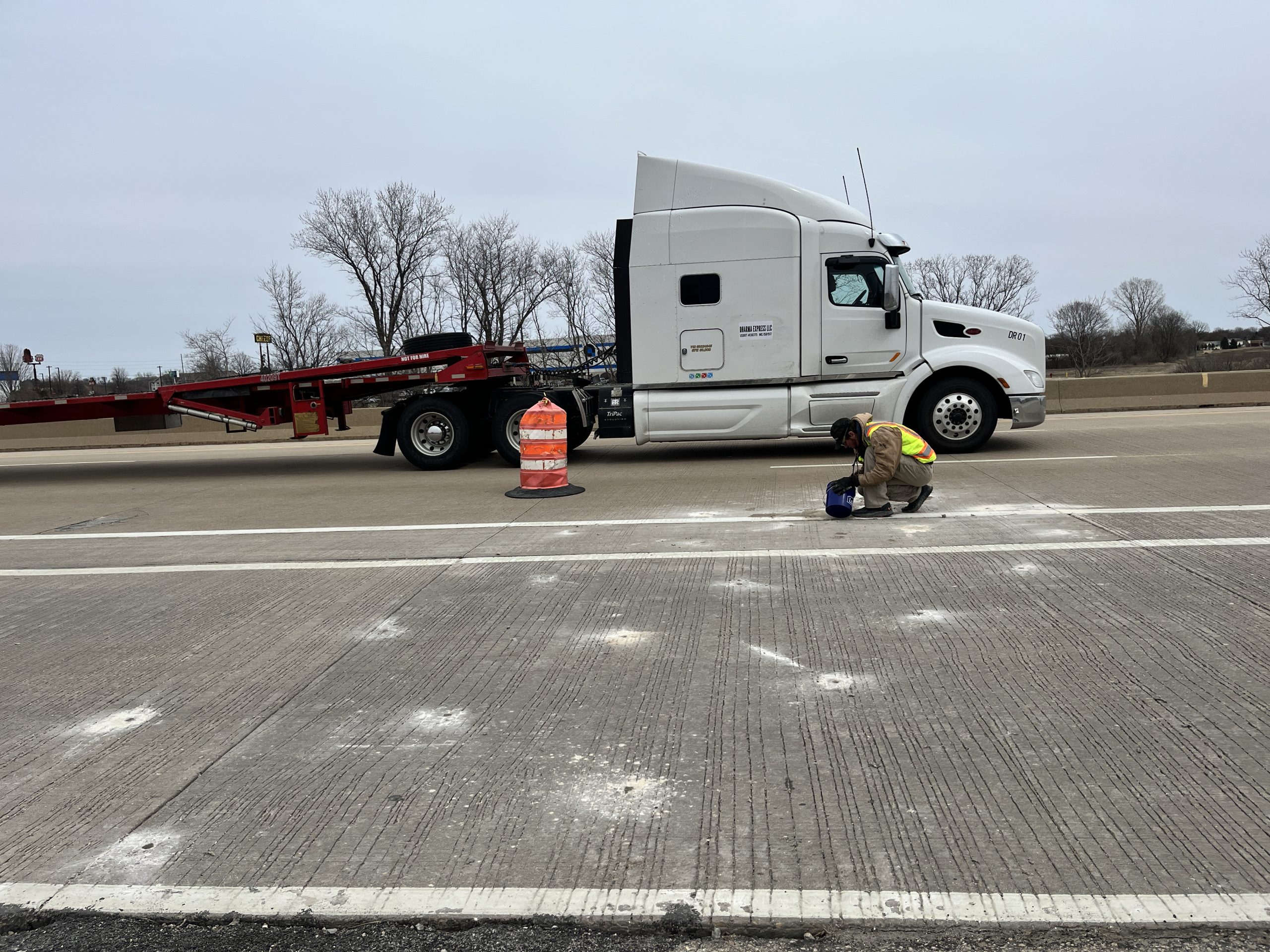
- Minimal downtime and rapid return to service — The foam cures and hardens in minutes to an hour (often traffic-ready the same day), compared to days for mudjacking or weeks for replacement. This is critical for commercial businesses (to avoid lost revenue from closed parking lots or facilities) and governmental infrastructure (e.g., highways, airport runways, or bridges where closures cause major disruptions, safety issues, or economic impact).
- Lightweight material reduces risk of further settlement — Polyurethane foam weighs only 2–4 lbs per cubic foot (vs. 100–150 lbs for mudjacking slurry), avoiding added stress on unstable or weak soils common in infrastructure settings. This makes it ideal for highways, roadways, and areas with poor soil conditions, as noted in some DOT preferences for eliminating dips without overburdening the ground.
- Superior durability and longevity — The foam is resistant to water erosion, moisture, and soil degradation (unlike mud slurries that can break down over 2–5 years). It provides strong soil stabilization, fills voids effectively, and supports heavy loads (up to thousands of pounds per square foot), leading to fewer future repairs and longer service life for high-traffic commercial or public assets.
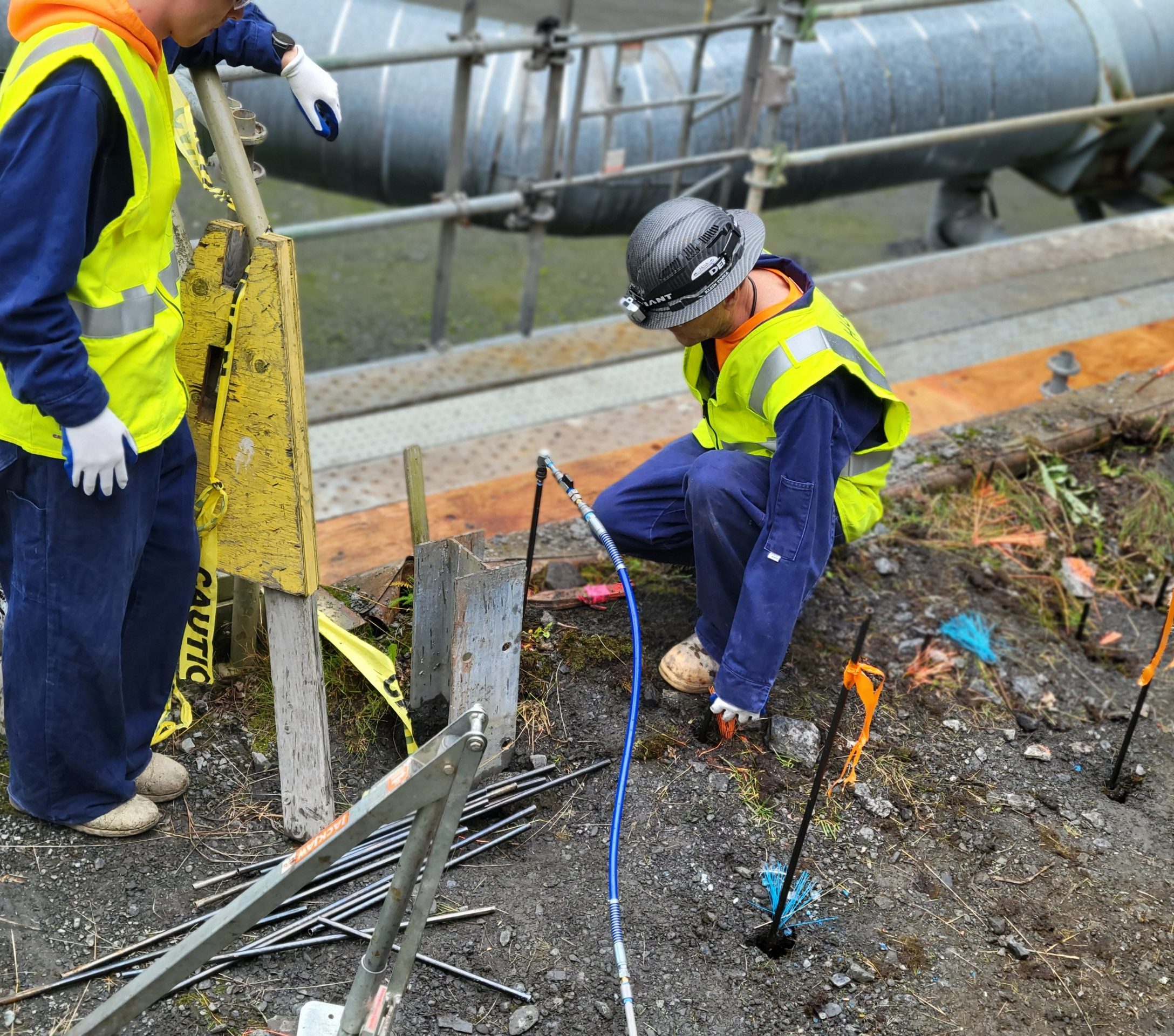
- Minimally invasive with less disruption — Small drill holes (about ⅝ inch) are used, requiring no heavy machinery, excavation, or demolition. This reduces mess, environmental impact, and inconvenience—key for busy commercial sites (e.g., keeping customer access open) and governmental projects (e.g., maintaining traffic flow on roads or operations at airports/railways).
- Precision and control for large/heavy slabs — The controlled expansion allows fine-tuned lifting (even in millimeter increments) and better fills voids under expansive areas like warehouse floors, runways, or bridge approaches. It’s versatile for infrastructure like airport runways, rail beds, seawalls, and municipal sidewalks.
- Cost-effective alternative to full replacement — While upfront costs may be higher than mudjacking in some cases, it saves significantly over demolition/replacement by extending slab life, reducing labor/equipment needs, and minimizing indirect costs (e.g., business interruptions or public infrastructure downtime). It’s often seen as a greener option by avoiding waste from tearing out concrete.
For commercial and governmental projects specifically, departments of transportation (DOTs), engineers and municipal/public works teams frequently use or prefer it for highways, bridges, airports, and other infrastructure because of the quick, lightweight, and reliable stabilization it provides without long-term traffic control or major rebuilds.
In summary, foam concrete lifting excels in scenarios demanding speed, minimal disruption, long-term stability, and heavy-load support—making it a go-to solution for commercial operations and public/government infrastructure where safety, efficiency, and taxpayer value matter most. If you’re dealing with a specific project (e.g., in Florida), local contractors or DOT specs often highlight these benefits in bids or approvals.