The Infrastructure Supporting the 95,471 Miles of Waterfront Property in the US is Deteriorating Fast and Polyurethane Foam Is a Solution to Solve the Problem
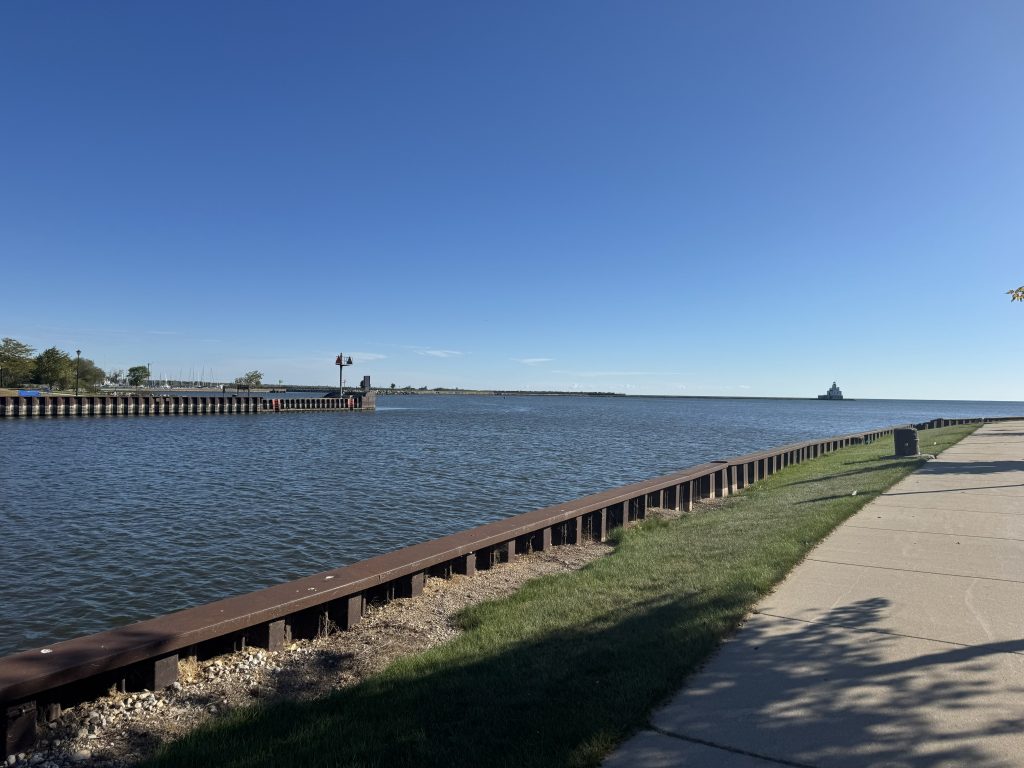
It is estimated that 14% of US coastal frontage has a seawall or bulkhead. That equates to nearly 15,000 miles of infrastructure in some level of decay. Although there is no single official national statistic or comprehensive inventory of the exact age of the seawalls in the US, industry reports, engineering assessment and coastal studies have the experts estimating the average age at 40-60 years. This is relevant since the design lifespan (especially concrete or steel sheet) is 30-50 years. This is the definition of a market opportunity.
What exacerbates the challenge above is the contemporary regulatory approval process for seawall replacement and the significant downtime and property/facility disruption of ports, marinas, public space, parks, and residences whether government, commercially or privately owned.
WHY & HOW POLYURETHANE
Seawall repair using polyurethane foam injection is a growing modern method for fixing failing or eroding seawalls (also called bulkheads), which protect waterfront properties from water damage and erosion. Traditional fixes often involve full replacement (expensive and disruptive), but polyurethane foam injection offers a faster, less invasive alternative.
How Polyurethane Foam Seawall Repair Works
- Assessment — Professionals identify cracks, leaks, soil erosion, voids behind the wall, or tilting/settling.
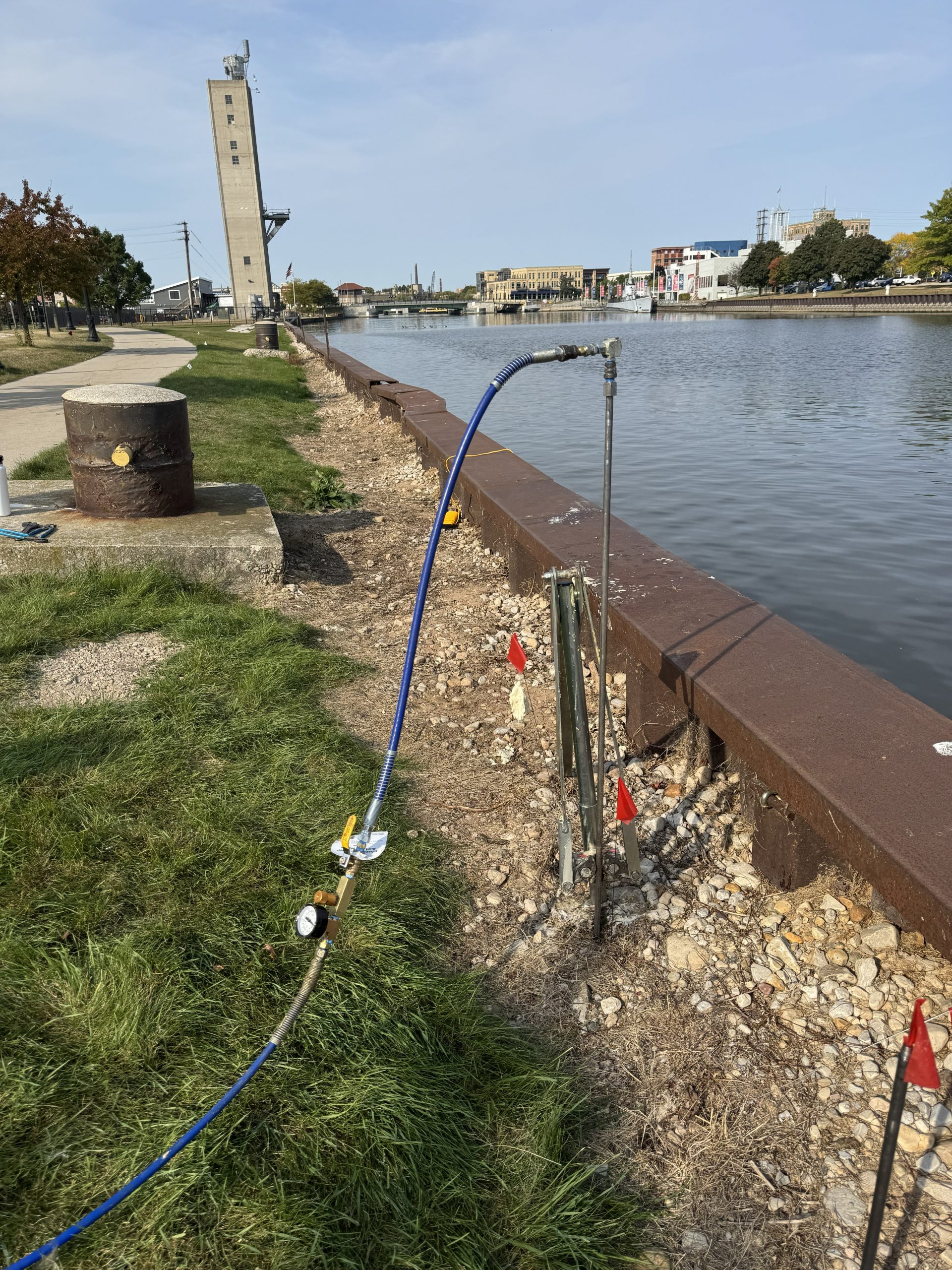
- Pipe Installation — Pipe is driven in the soil behind and along the seawall at a predetermined spacing on center (typically every 3 feet).
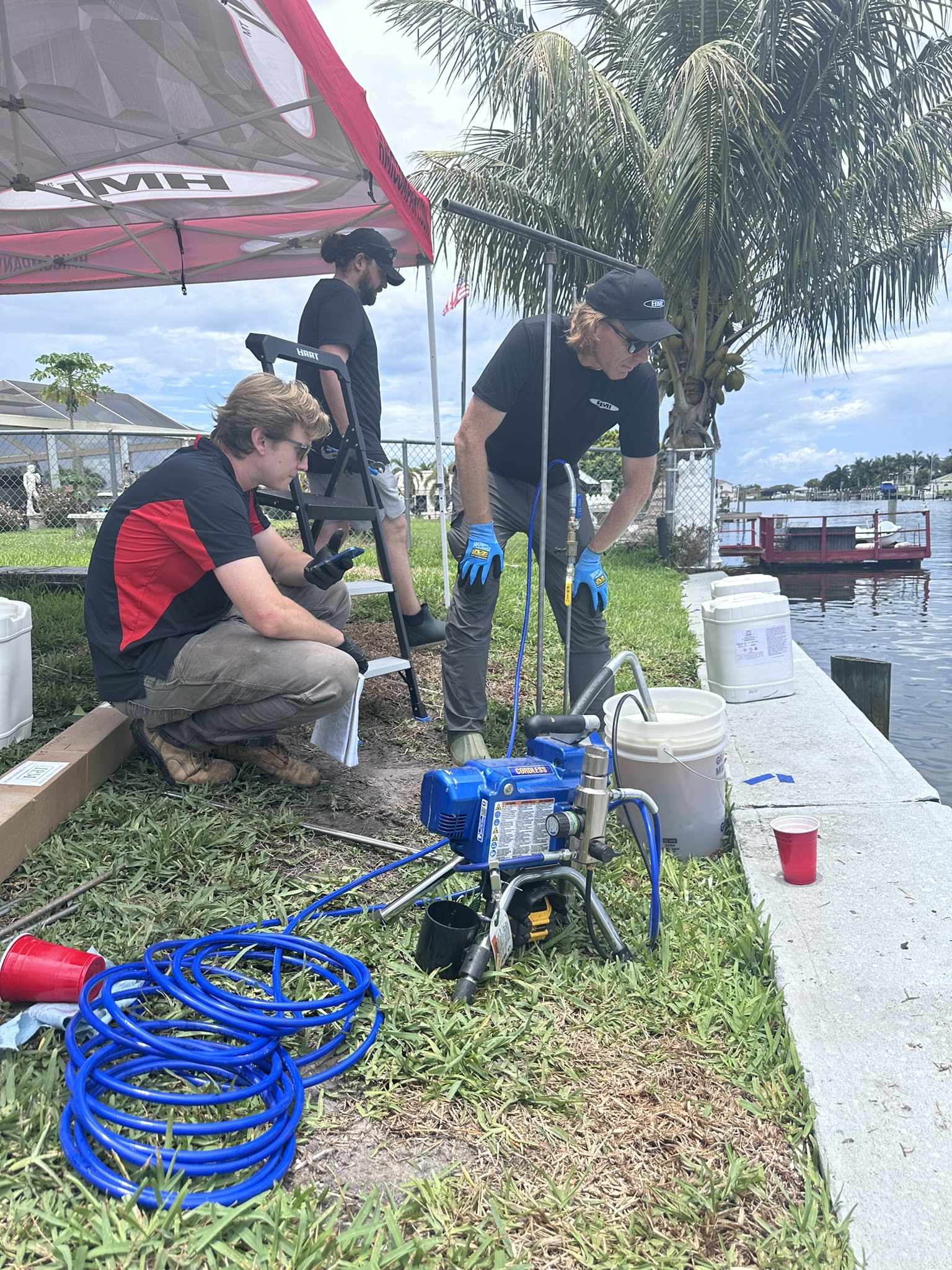
- Injection — Specialized polyurethane foam (often single component hydrophobic, meaning water-repelling, foam) is injected under pressure using probes. The foam starts as a liquid.
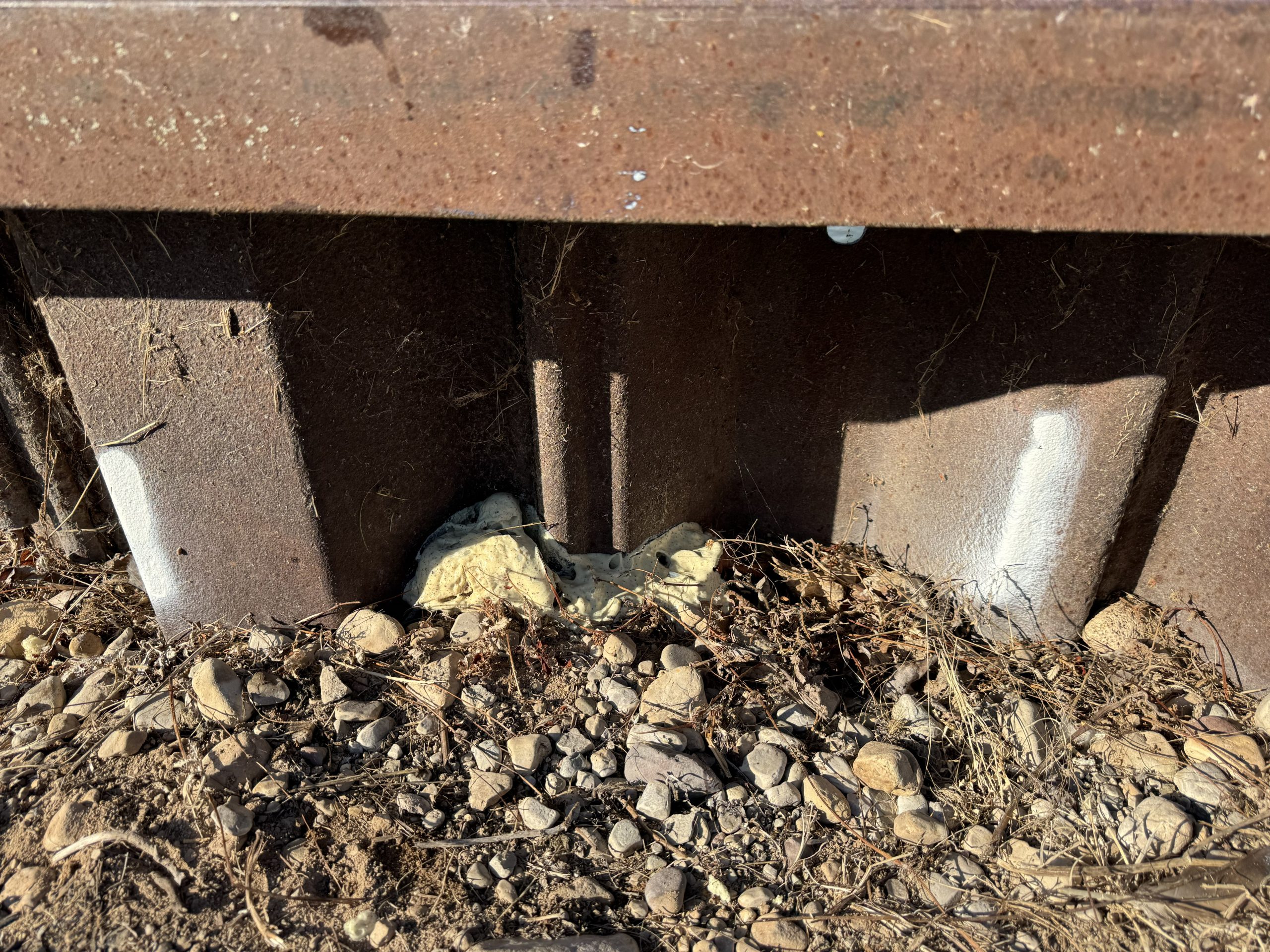
- Expansion & Curing — It expands rapidly (often within seconds to minutes) when contacting moisture, filling voids, sealing cracks, displacing water, compacting loose soil, and stabilizing the structure. It hardens into a strong, waterproof, closed-cell material.
- Pipe is extracted at interval lifts — The pipe is extracted at predetermined intervals (typically 1.5 feet) to treat weak soils behind the seawall at different depths.
- Depth treatment complete and pipe extraction — Steps 3 through 5 are repeated to fully treat soil instability and to maximize seawall support and foundation. Pipe is then fully extracted on completion, with minimal disruption to landscaping or the yard—no heavy equipment or major excavation needed.
This method stops ongoing soil loss (washout), reduces hydrostatic pressure on the wall, prevents further cracking or leaning, and can extend the seawall’s life significantly (often doubling it).
Benefits Compared to Traditional Methods (e.g., Cement Grouting or Replacement)
- Faster — Jobs often complete in hours to a day; property usable almost immediately (vs. days/weeks for other repair methods or replacement).
- Less Disruptive — Portable equipment, no digging up yards or removing sections of wall.
- Cost-Effective — Usually half (or less) the cost of full replacement.
- Environmentally Friendlier — Less waste, no heavy materials hauled in/out.
- Effective in Wet Conditions — Foam performs well in saturated soils common in Florida.
- Long-Lasting — Creates a permanent, water-resistant barrier that bonds soil and reinforces the wall.
Limitations
- Not a fix for severely deteriorated or structurally failed seawalls (e.g., major sections collapsed)—replacement may still be needed.
- Best for early-to-moderate issues like leaks, voids, erosion, or minor settlement.
- Requires experienced contractors (results depend on proper material and injection technique).
WHY HMI: HMI has the equipment, material, engineering experience to help you enter this growing business opportunity. A one stop shop in this highly specialized field is tough to find.