
Will Sublette, P.E. – Geotechnical Engineer
Sheet pile walls and bulkheads are commonly used for excavation support, shoreline protection, and groundwater control. However, adverse field conditions such as leaking interlocks, open joints, permeable soils, tidal fluctuations, voids, and erosion can lead to water infiltration, soil loss, and instability of retained soils.
Chemical grouting can be used to address these issues without excavation or major structural rework. This guide focuses on three common grout systems used around sheet piles and bulkheads: single-component polyurethane foam, acrylate grout, and dual-component polyurethane for void filling and ground stabilization.
The goal is to better understand where each grout fits and how these systems are typically used to control seepage, reduce soil loss, and improve working conditions.
Where Chemical Grouting Fits on Sheet Pile & Bulkhead Jobs
Chemical grouting is typically considered when water movement, soil loss, or voids are affecting wall performance or construction conditions. Common applications include:
- Interlock sealing: Treating active leaks through sheet pile seams.
- Curtain grouting: Reducing groundwater inflow behind or below walls.
- Permeation grouting: Lowering soil permeability without excavation
- Void filling and stabilization: Addressing erosion, sinkholes, washouts, or loss of support behind the wall.
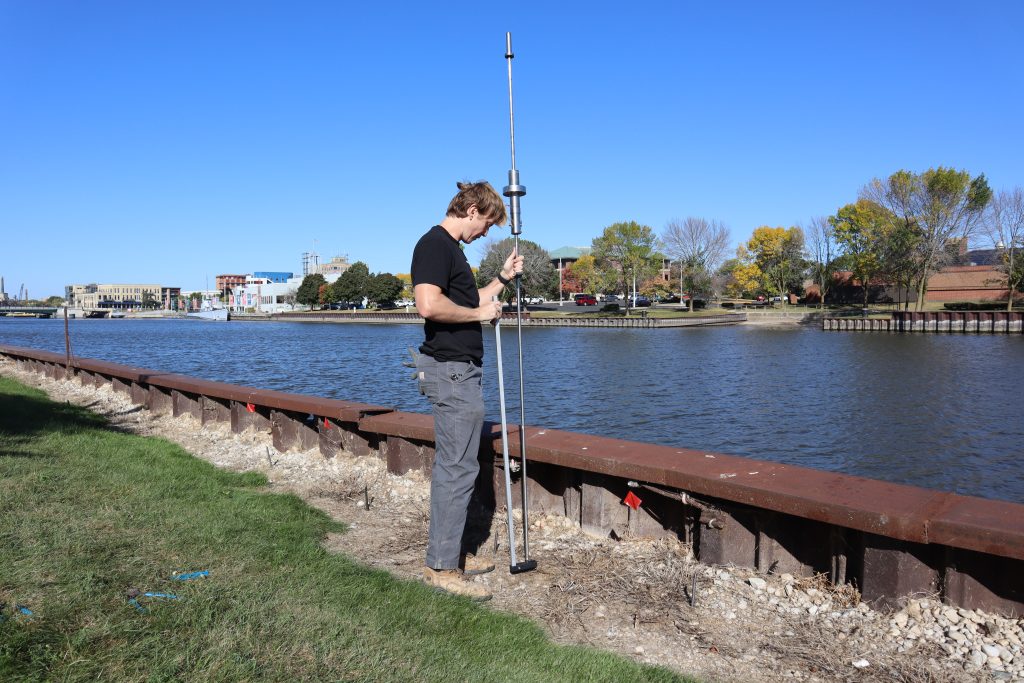
These applications are common on marine bulkheads, cofferdams, trench excavations, and deep excavations where groundwater control and soil stability are important to construction performance.
Chemical Grouting Options for Sheet Pile & Bulkhead Work
Chemical grouting systems are selected based on the site condition, soil type, water flow, and project objective. Around sheet piles and bulkheads, most applications fall into three general categories: sealing active leaks, reducing soil permeability, and filling voids or stabilizing loose soils.
Single-component polyurethane foams are commonly used where water is actively moving through sheet pile interlocks, seams, joints, or permeable soils. These grouts react with moisture within the environment and expands into a flexible to semi-rigid foam with minimal expansion pressure. These properties make single component polyurethane foams useful around sensitive structures, slowing high water flow infiltration, filling voids, and binding soil together in moist to saturated environments.
Acrylate grout is used when deeper penetration into fine pore spaces and a more uniform treated soil mass is needed. Its very low viscosity allows it to move through fine sands and silts more effectively than many other grout types. Because it forms a flexible, low-permeability gel with no expansion, it is well suited for curtain grouting, permeation grouting, and soil solidification applications where ground surface movement must be minimized.
Dual-component polyurethane is typically used where the issue is not just seepage, but large voids, erosion, loss of support, or larger flow paths behind the wall. These systems react quickly to form a rigid structural foam that can fill irregular cavities to reduce ongoing soil loss and restore support.
In some applications, the best solution is a hybrid approach. For example, an acrylate curtain may be used to reduce broad groundwater seepage, while polyurethane is used for targeted leak sealing, void filling, and interlock or gap/joint treatment.
Key Advantages with Chemical Grouting
- Targeted treatment: Grout can be placed directly where leaks, voids, or permeable soil zones are present.
- Minimally invasive: Many seepage and soil-loss problems can be addressed without removing large volumes of material or exposing the structure.
- Water control: Chemical grouts can reduce infiltration, seal active leaks, and create low-permeability barriers.
- Soil retention: Grouting can help reduce the movement of fines and limit ongoing erosion behind bulkheads and seawalls, thereby extending the lifespan of the structure.
- Void filling and stabilization: Expanding or structural grout systems can fill irregular cavities and restore support in areas affected by washout or settlement.
- Adaptability: Different grout chemistries and reaction profiles can be selected based on site conditions and project goals.
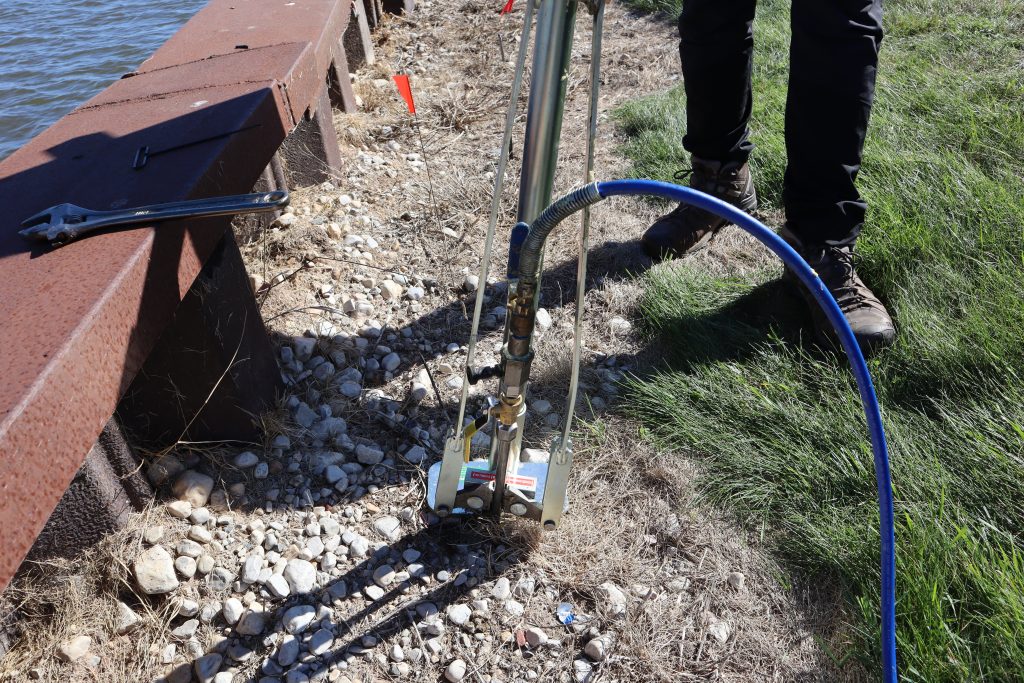
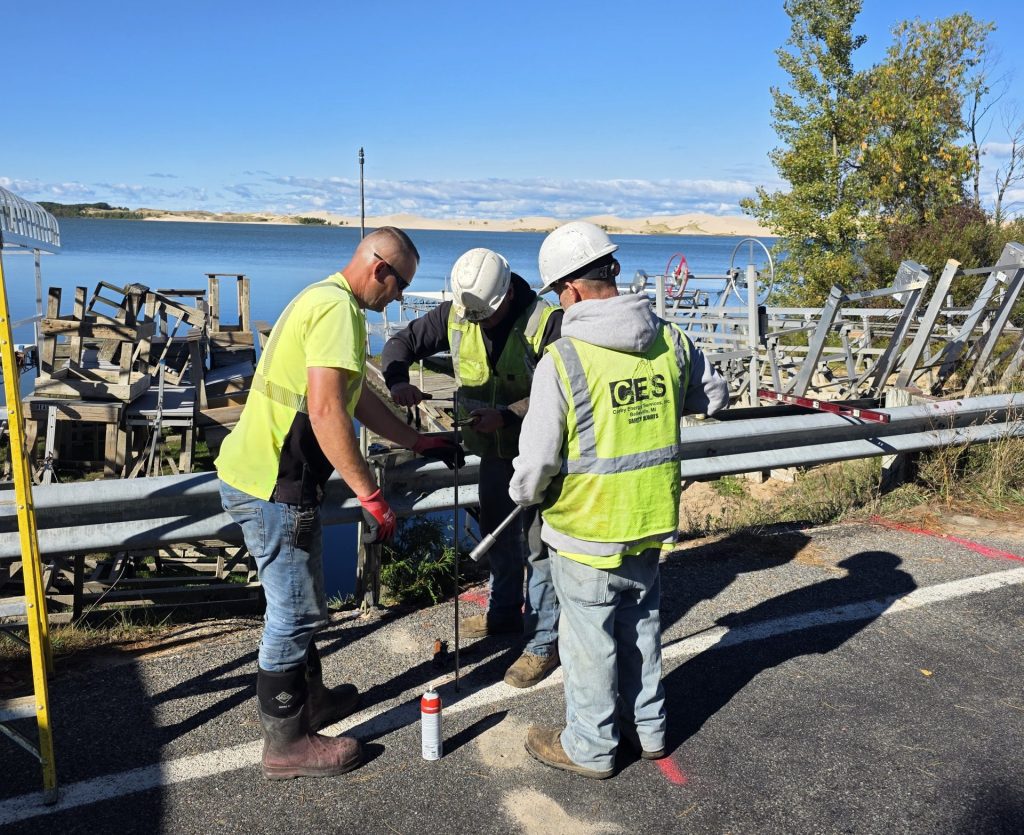
- Reduced disruption: Injection work can often be performed through small-diameter ports, packers, or lances with a relatively small equipment footprint.
Selecting the Right Grout System
If you are dealing with excessive seepage, soil loss, or ground instability, chemical grouting may be an effective and cost-conscious solution depending on site conditions.
Visit our website to explore grout systems, equipment, and field support, or contact us for guidance on selecting the most suitable grout material and injection approach for your project.