
Cookies & Your Privacy
This website uses cookies to ensure you get the best experience on our website. More Information >
Home » Cement Sidewalk Repair
Concrete sidewalks are integral to the infrastructure of residential and commercial areas, providing pathways for pedestrians and enhancing visual appeal. Over time, wear and tear can lead to cracks and uneven surfaces, necessitating repairs. HMI is transforming the landscape of concrete sidewalk repair using innovative polyurethane technology.
Discover the step-by-step procedures and advantages that make this method impactful for diverse environments.
Polyurethane, a versatile and resilient polymer, is the preferred choice for HMI in addressing concrete sidewalk issues.
In the past, uneven sidewalk repair projects and concrete sidewalk leveling meant extensive demolition efforts. This process often meant closing walkways for pedestrians and working at odd hours to complete jobs for public safety, especially in high-traffic areas, such as apartment complexes, parking lots, government buildings, airports and garages.
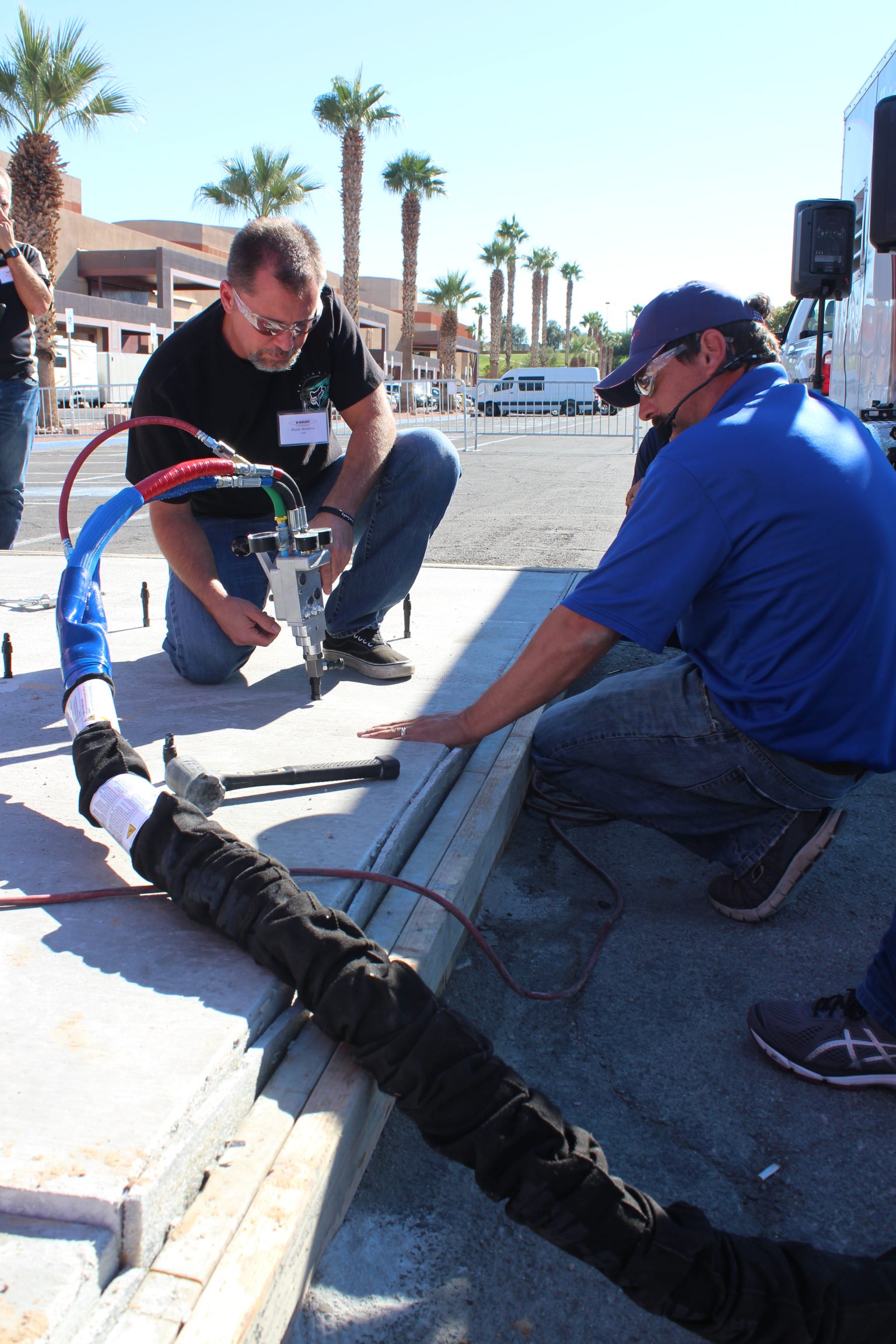
Repairing a concrete sidewalk using polyurethane injections allows for a quicker turnaround without compromising the quality of results. This method makes it easier to continue a daily routine or business endeavors without interruptions. Repair procedures involve using an expansive foam to lift sinking sidewalks back to their original position. Small holes are drilled into applicable concrete slabs, and the injections fill unwanted voids below the surface.
Instead of completely replacing concrete sidewalks, a polyurethane injection approach allows pedestrians, homeowners and commercial property owners to walk on the surface in just over an hour, depending on the scale of the project. This process mitigates the need for large construction teams to complete demolition, cleaning, preparation and pouring activities, which can be time-consuming.
This site is protected by reCAPTCHA and the
Google Privacy Policy and Terms of Services apply.
In 2 days, we teach you everything you need to know to start your own concrete raising company!
HMI follows a systematic process when employing polyurethane for repairing concrete sidewalks. Here are the key steps involved:
We have trained experts who will thoroughly assess your concrete sidewalk. Specifically looking for cracks, uneven surfaces and similar imperfections to restore a surface.
The experts find structurally sound areas of the sidewalk to prepare for polyurethane injection. Then drill small holes in the concrete, which eventually become unnoticeable post-treatment.
Our experts use formulated polyurethane material to fill the space underneath the concrete surface. The polyurethane foam enters voids and expands to fit the space, enhancing sidewalk stability.
Let the polyurethane foam cure at the insertion points. This process creates a durable bond near the cracks and voids you want to fix. Then patch all drilling holes for an aesthetically pleasing surface.
HMI provides the following benefits with polyurethane solutions for cement sidewalk repairs:
Learn how we’ve stabilized highways and municipal infrastructure. Also see our Polyurethane foam successfully fill voids.
Polyurethane’s adaptability makes it suitable for repairing sidewalks in diverse settings, ranging from residential neighborhoods to bustling commercial areas. Whether addressing minor cracks or larger structural issues, polyurethane provides a versatile solution that can be tailored to the specific needs of each environment.
Completing polyurethane injections requires attention to detail, as every situation will call for a different amount of expanding foam. When using a reliable polyurethane solution, watching the site lift millimeters in several minutes is possible. Those who apply the polyurethane must check the site repeatedly and apply more foam until the desired result is achieved.
As HMI continues to innovate, the integration of polyurethane technology stands out as a transformative solution.
Homeowners and business owners alike can benefit from the efficiency, versatility and durability that polyurethane brings to sidewalk repairs. Embracing this method ensures that sidewalks in both residential and commercial settings remain safe, aesthetically pleasing and withstanding the rigors of daily use for years to come. Contact HMI to learn more.
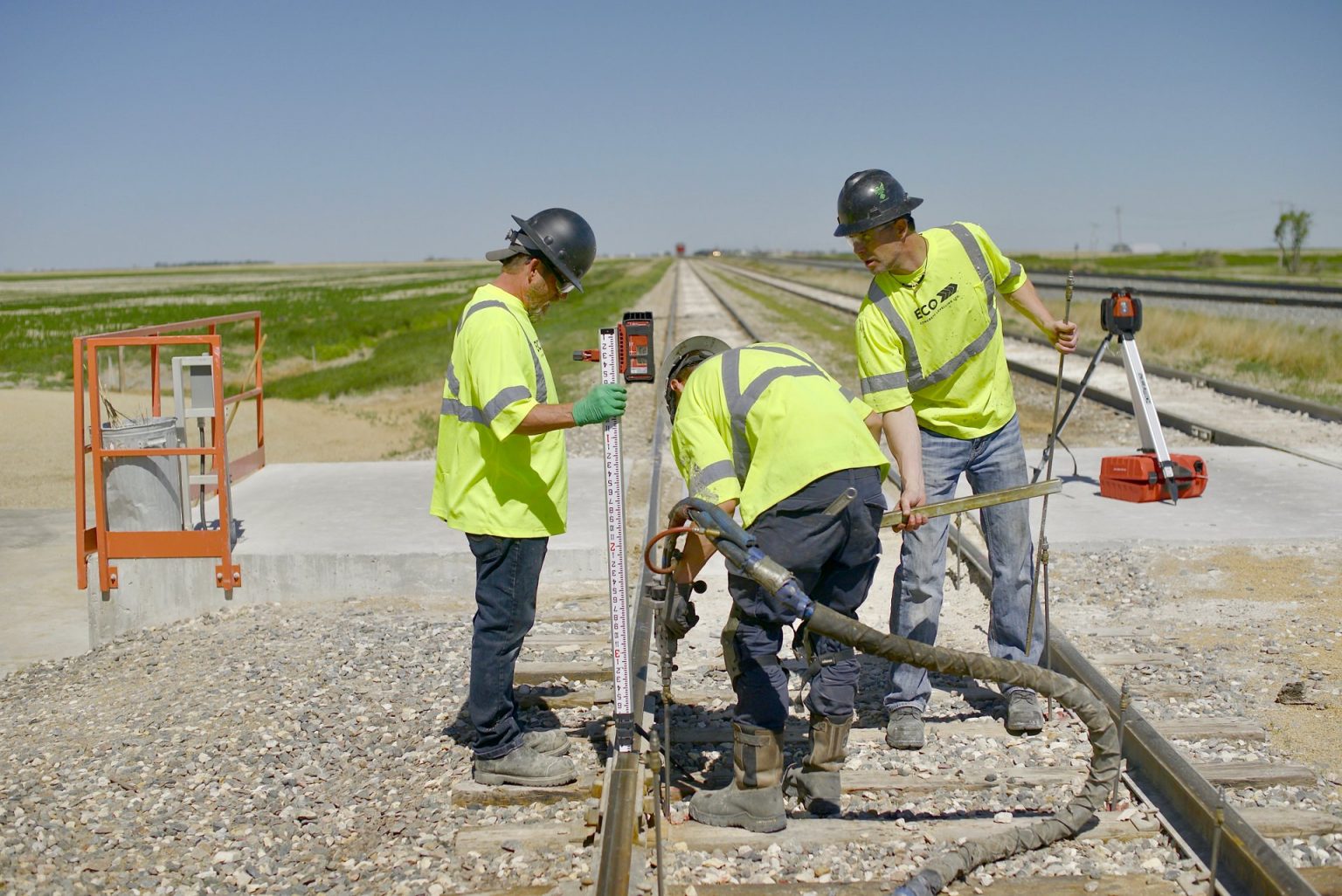
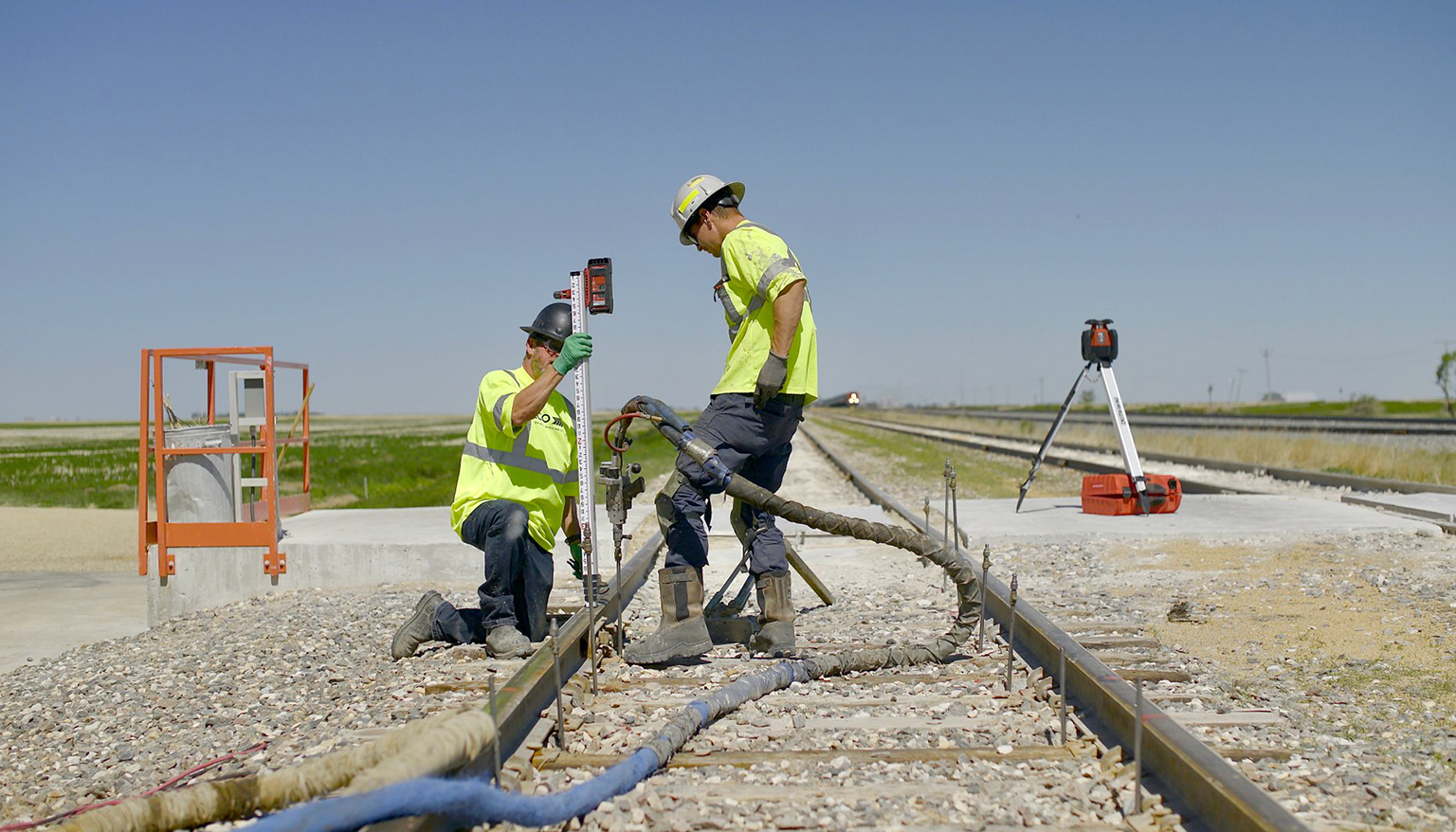
There were approximately 160 feet of rail that needed to be lifted as much as 2”. The concrete lifting contractor used HMI HF402 hydro insensitive foam on this project to raise the track and stabilize the substrate. Besides filling voids and solidifying the loose soil, if there is water present, HF 402 will displace the water and create a stable base for the track to sit on.
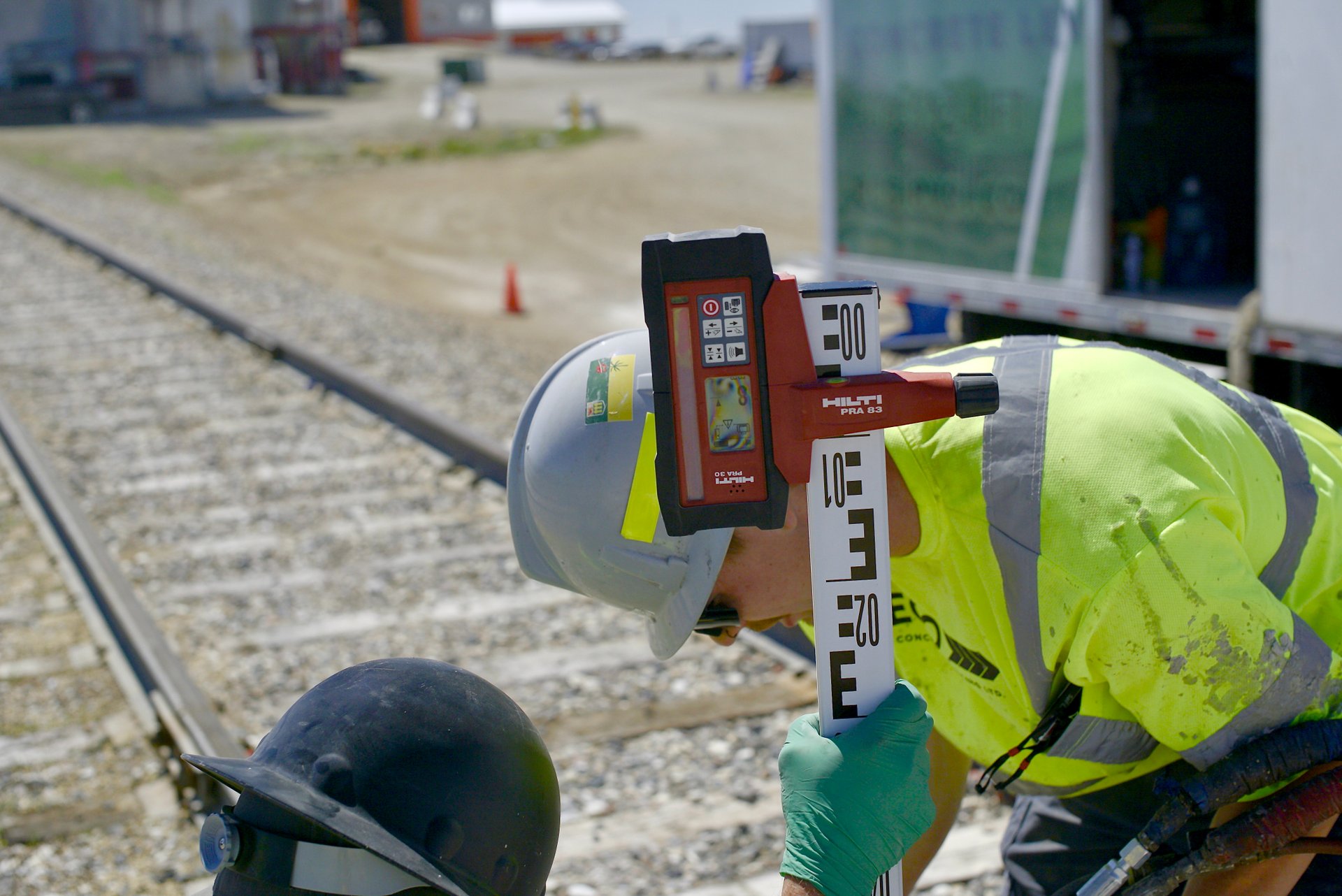
During the process, the rails are monitored closely using a rotary laser level. This monitoring assures that “over lift” does not occur. The contractor completed this in one day, saving the railway company thousands and more importantly avoiding a shut down.
When railroad service roads are used, railway work can be performed up to 250’ away from the Polyurethane system causing minimal interruption to rail traffic. When a train has to pass through the work site the equipment can be removed and the track cleared in under 10 minutes.
When polyurethane systems are in place the work site could be cleared and the systems are mobilized in under 15 minutes.
HMI Polyurethane systems can be equipped with both laser levels as well as water levels allowing for the monitoring of any movement of the rails.
4466 Custer Street
Manitowoc, WI 54220