
Mudjacking vs. Polyurethane

When bringing a settled slab back to grade, you need a solution that pays, performs and prevents callbacks. While traditional mudjacking still has its place in many applications, modern polyurethane foam offers precision, speed and durability.

CONTACT US

This site is protected by reCAPTCHA and the
Google Privacy Policy and Terms of Services apply.

Upcoming Discovery & Training Seminars

  • June 18-19, 2026
  • July 23-24, 2026 

In 2 days, we teach you everything you need to know to start your own concrete raising company!

How Each Concrete Raising Method Works

When comparing polyjacking vs. mudjacking, both methods fill a void to lift concrete using very different delivery systems.

Mudjacking is the old-school approach. Using this process, you drill larger holes, mix a heavy slurry of cement and topsoil or sand and use your rig to pump it under the slab and lift it. With the polyurethane injection process, you’re working with modern precision. You drill small, dime-sized holes and inject engineered polyurethane foam materials directly beneath the slab. 

weight
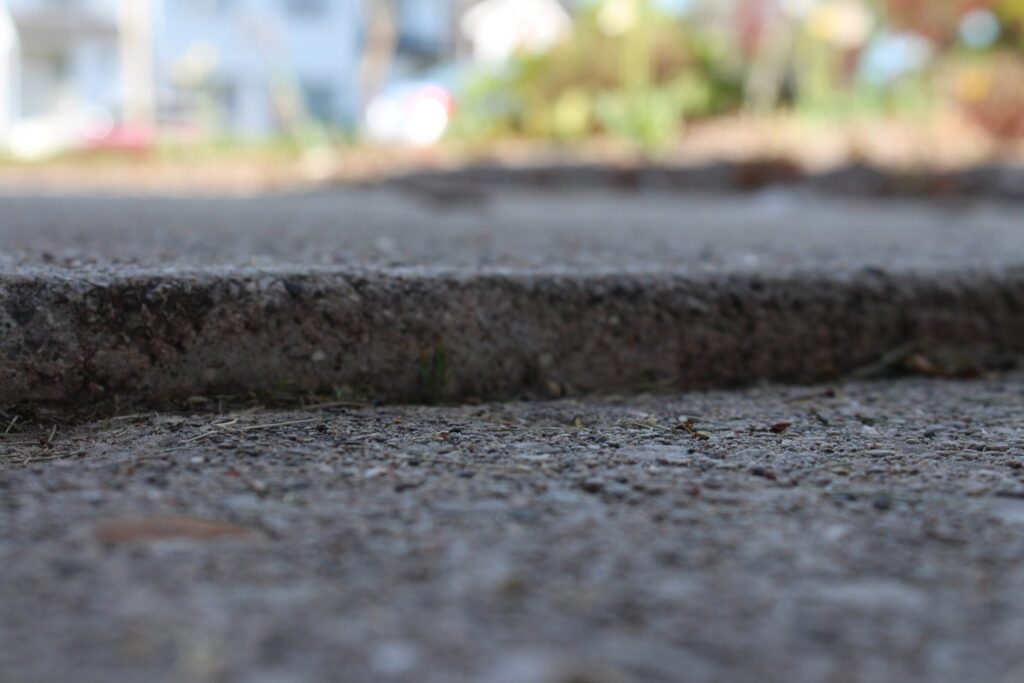
An image of uneven concrete.

A Point-by-Point Technical Comparison

This concrete raising method comparison reveals what you actually handle in the field.

Material Weight and Footprint

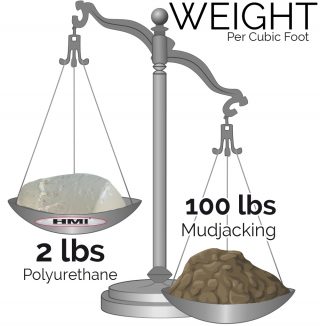
The mass of your chosen material determines how much stress you place on the subgrade. Mudjacking is heavy, at over 100 pounds per cubic foot. This method adds hundreds of pounds to a subgrade that is already failing. Polyurethane is lightweight, at only 2 to 4 pounds per cubic foot. It provides a strong lift without adding any significant new weight to the subgrade.

Cure Time and Return-to-Service

Project downtime is a major factor when scheduling jobs and calculating daily revenue. Mudjacking requires a 24- to 48-hour cure time, meaning the area is out of commission, and you can’t close out the job. Polyurethane cures and is traffic-ready in about 15 minutes. You finish the job and invoice it on the same day.

Hole Size and Aesthetics

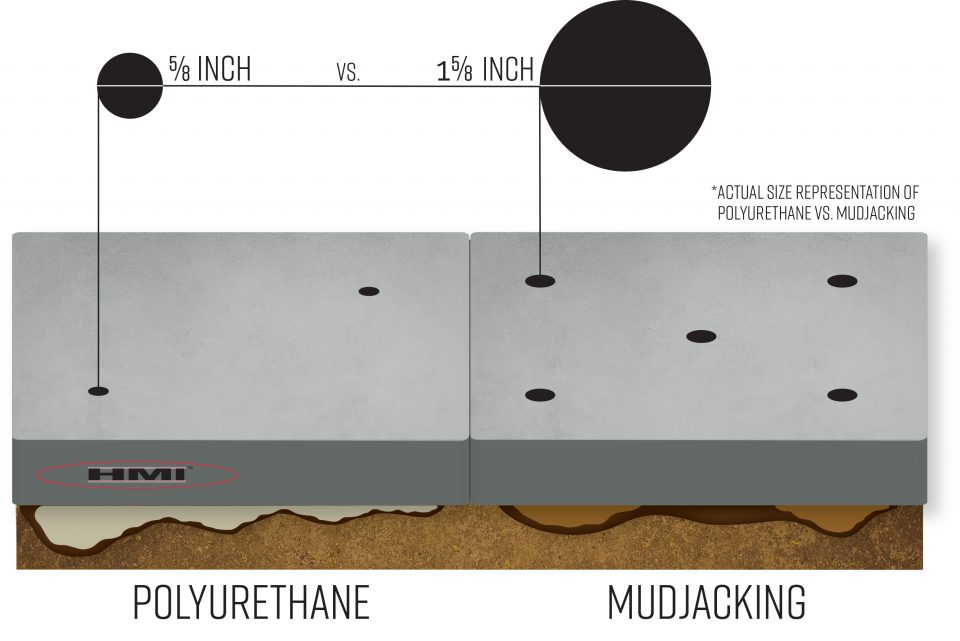
The visual impact of the injection process heavily influences overall customer satisfaction. Mudjacking involves drilling large, 1- to 2-inch holes that are more disruptive to the site and more labor-intensive to patch. Polyurethane achieves clean, nearly invisible patches with small, 5/8-inch holes that are quick to drill.

Material Weight and Footprint

The mass of your chosen material determines how much stress you place on the subgrade. Mudjacking is heavy, at over 100 pounds per cubic foot. This method adds hundreds of pounds to a subgrade that is already failing. Polyurethane is lightweight, at only 2 to 4 pounds per cubic foot. It provides a strong lift without adding any significant new weight to the subgrade.

A diagram showing the difference between polyurethane and mudjacking.
Infrastructure Repair Foam

Cure Time and Return-to-Service

Project downtime is a major factor when scheduling jobs and calculating daily revenue. Mudjacking requires a 24- to 48-hour cure time, meaning the area is out of commission, and you can’t close out the job. Polyurethane cures and is traffic-ready in about 15 minutes. You finish the job and invoice it on the same day.

Hole Size and Aesthetics

The visual impact of the injection process heavily influences overall customer satisfaction. Mudjacking involves drilling large, 1- to 2-inch holes that are more disruptive to the site and more labor-intensive to patch. Polyurethane achieves clean, nearly invisible patches with small, 5/8-inch holes that are quick to drill.

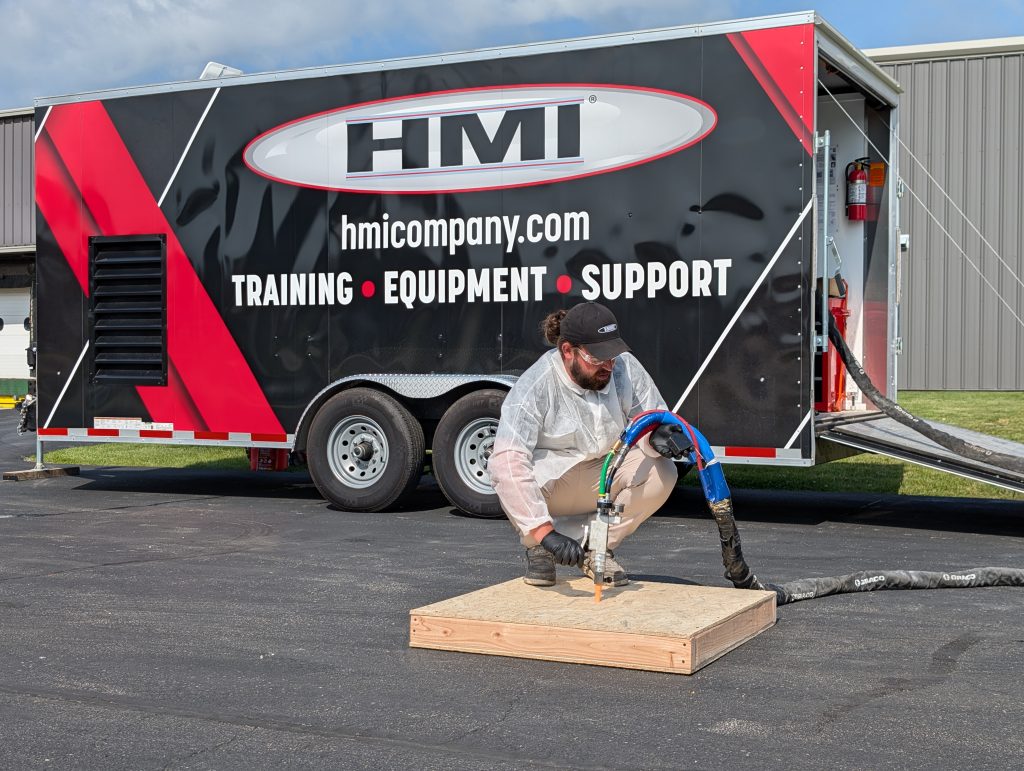
A man demonstrating the EliteONE Injection gun tool in front of a trailer that says HMI on it.

The Deciding Factors for Your Project

Your material choice dictates labor, reputation and margins. When weighing foam jacking vs. mudjacking, look beyond the initial price.

Consider how the method you choose contributes to water performance and long-term stability. Soil-based slurry can wash out, causing the slab to resettle again, and the necessary rework can cut into your profits. Polyurethane is a waterproof plastic that permanently bonds with the subgrade.

A high-PSI material can still fail in the ground. Polyurethane provides a durable bond strength for concrete repair, helping you finish the job faster and protect your profits by doing the job right the first time, every time. When comparing polyurethane foam vs. mudjacking, you’ll need to consider material cost and total job cost.

Get Expert Advice and Training for Your Business

With over 50 years of experience, HMI provides the complete solution for your success. Explore our Polypro trailers, high-performance foams and the industry-leading EliteONE Air Purge Gun by requesting a full pricing and materials catalog.

If you’re ready to master the trade, sign up for our hands-on training seminars. For technical questions, engineers and specifiers can call an HMI specialist directly at 888-859-3898.

Cookies & Your Privacy

This website uses cookies to ensure you get the best experience on our website. More Information >