
Cookies & Your Privacy
This website uses cookies to ensure you get the best experience on our website. More Information >
Home » Soil Improvement » Soil Stabilization Solutions
SSoil stability is key to the success of any foundation or concrete slab. If the soil is unstable, the structure is at risk of settling, shifting and other challenges. HMI offers excellent soil stabilization products that fill voids, eliminate clay swell and improve stability. From polyurethane products to acrylate grouts, we have the right solution for you.
This site is protected by reCAPTCHA and the
Google Privacy Policy and Terms of Services apply.
In 2 days, we teach you everything you need to know to start your own concrete raising company!
Soil stability is a significant concern for the construction industry. When the soil lacks support, it can lead to challenges like:
Sinking and settling foundations are among the most significant results of unstable soil. When the soil beneath a structure’s foundation sinks, the entire structure moves with it. When different segments sink at different rates, differential settling can occur, significantly impacting foundational integrity.
When soil is unstable, it can compromise the stability of the entire foundation and structure. Shifting soils can result in additional pressure on foundations and damage to load-bearing walls, causing structural instability.
Due to phenomena like clay swell and shifting soils, external pressures and misalignments can lead to structural damage like cracking, warping and crumbling.
Due to phenomena like clay swell and shifting soils, external pressures and misalignments can lead to structural damage like cracking, warping and crumbling.
There are many options for stabilizing soil, but chemical soil stabilization is one of the most effective. This term refers to adding a chemical reagent to the soil to stabilize it. HMI offers a range of chemical solutions for stabilizing soil, including the following:
Our single-component polyurethane-based stabilizer is a resin used to stabilize soils. This product provides structural support for solid slabs of concrete and foundations. Instead of applying the resin throughout the soil beneath the foundation, you use HS030 soil stabilizer to create trustworthy columns that act like stilts and provide structural stability.
Our comprehensive range of Soil Link saturation grouting products offers an excellent solution for ensuring soil stability. These soil stabilization materials are versatile and available as single-component products and acrylate and polyurethane grouts.
Unlike the resinous soil stabilizer mentioned above, these products permeate the entire soil layer beneath your structure’s foundation. They also offer a waterproofing layer that provides further protection from groundwater and seepage.
By permeating the spaces between soil particles and then curing into a solidified layer, these soil stabilization products improve the consistency and chemical profile of soils, reducing the risk of shifting or settling and providing added stability.
Foam injections are another alternative, allowing you to improve soil stability by injecting polyurethane foam deep into the substrate. They’re similar to the HS030 soil stabilizer in that you use them to improve fixed points that create a network of stability. While foam injections will spread to fill entire voids, they aren’t a permeating product like Soil Link grouts.
Soil stability is essential to the success of any structure. Partner with HMI to remove soil instability from your jobsites with our soil stabilization products. Contact us today to find the appropriate solution for your specific application.
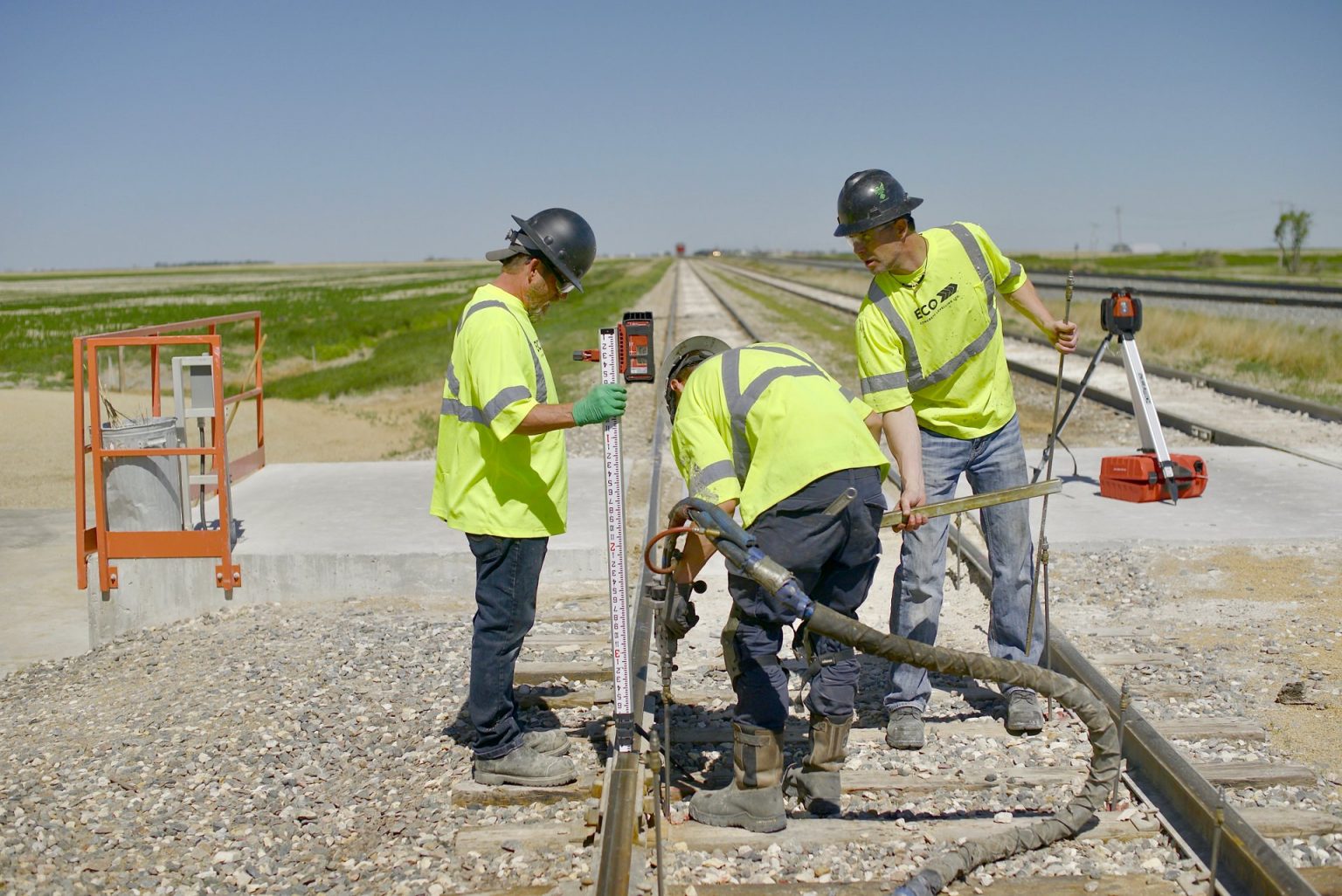
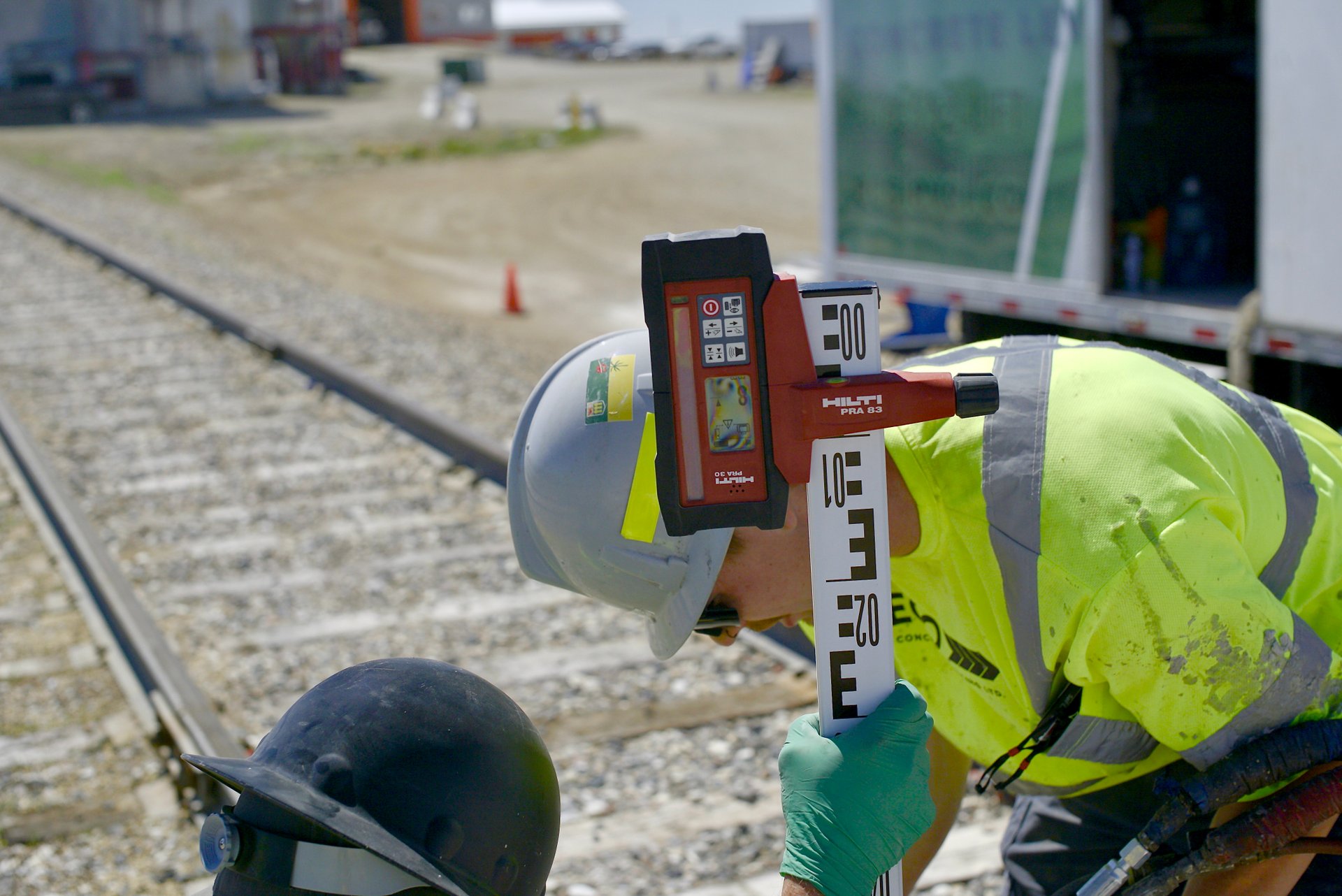
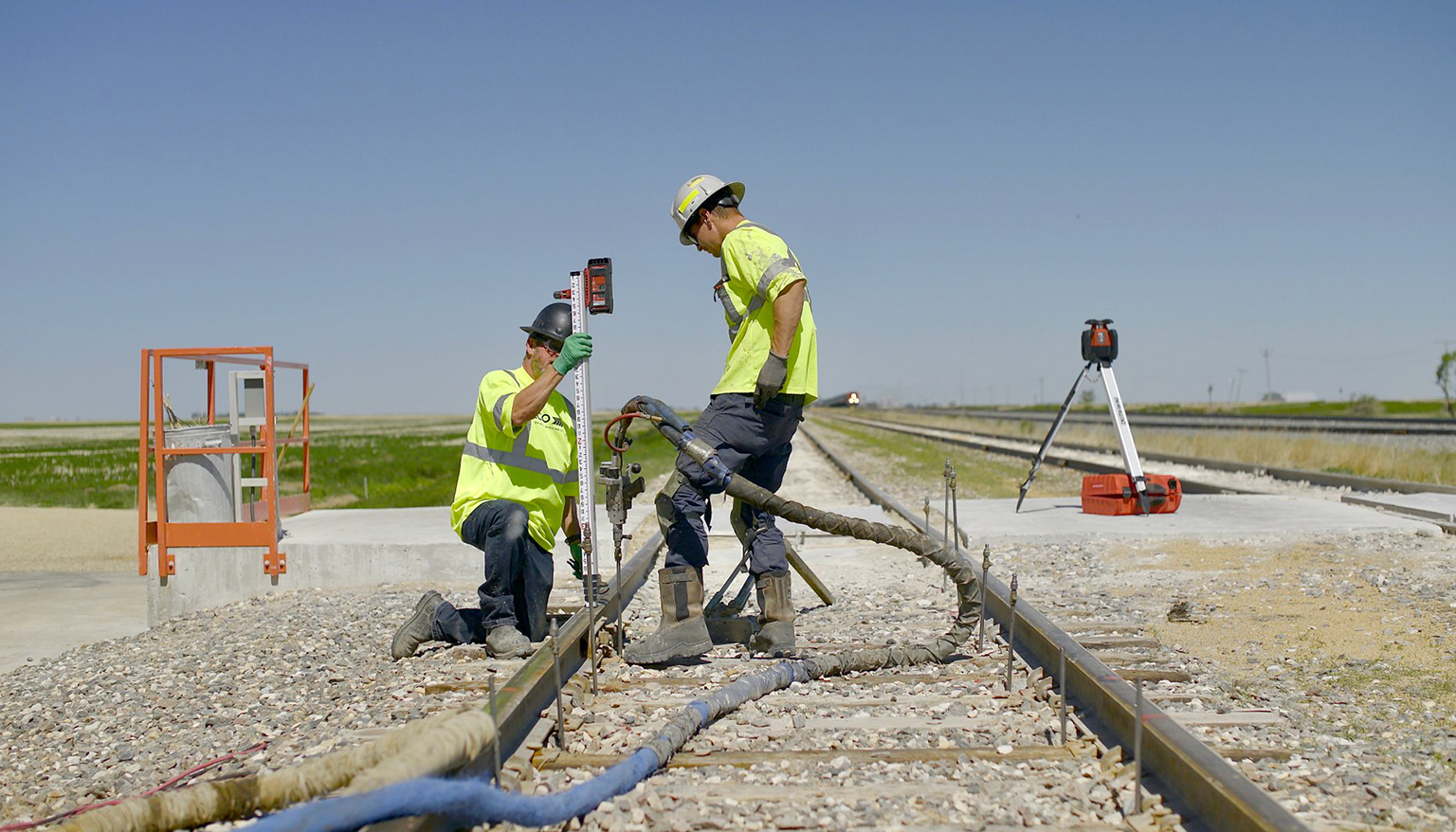
There were approximately 160 feet of rail that needed to be lifted as much as 2”. The concrete lifting contractor used HMI HF402 hydro insensitive foam on this project to raise the track and stabilize the substrate. Besides filling voids and solidifying the loose soil, if there is water present, HF 402 will displace the water and create a stable base for the track to sit on.
During the process, the rails are monitored closely using a rotary laser level. This monitoring assures that “over lift” does not occur. The contractor completed this in one day, saving the railway company thousands and more importantly avoiding a shut down.
When railroad service roads are used, railway work can be performed up to 250’ away from the Polyurethane system causing minimal interruption to rail traffic. When a train has to pass through the work site the equipment can be removed and the track cleared in under 10 minutes.
When polyurethane systems are in place the work site could be cleared and the systems are mobilized in under 15 minutes.
HMI Polyurethane systems can be equipped with both laser levels as well as water levels allowing for the monitoring of any movement of the rails.
4466 Custer Street
Manitowoc, WI 54220